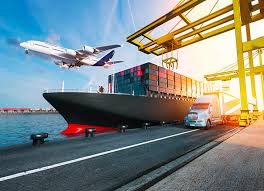
Shipping cargo to India doesn’t have to feel like solving a puzzle in the dark. Millions of containers, parcels, and bulk shipments arrive every year because India’s economy keeps growing fast and people everywhere want to be part of it. Whether you’re a company sending machinery, a student mailing books home, or a family relocating, the process is the same at its core: pick the right method, pack properly, clear customs, and deliver. The good news? It’s easier than it was five years ago. Ports are faster, paperwork is mostly digital, and reliable companies handle everything if you don’t want the headache. This guide walks you through every step in plain language so you know exactly what to expect.
Most Common Types of Cargo Sent to India
India imports almost everything under the sun. Clothes, mobile phones, laptops, car parts, medicines, and spare parts top the list for regular container shipments. Then come bulk items like edible oils, coal, fertilizers, and scrap metal that arrive on huge ships without boxes. Food lovers ship spices, tea, and basmati rice the other way, but plenty of frozen seafood and fruits come in too. People moving back home send household goods—furniture, kitchen items, even cars. Gift parcels with sweets, clothes, and puja items fly out during Diwali season. Whatever you’re sending, someone in India probably receives ten more just like it every day, so the system knows how to handle it.
Sea Freight vs Air Freight vs Courier – Which One to Choose?
Sea freight wins on price every time. A full 20-foot container from the USA or Europe usually costs less than sending two big suitcases by air. It takes 25–45 days, but if you’re not in a rush, that’s the smartest choice for furniture, machines, or anything heavy. Air freight is blazing fast—3 to 7 days door-to-door—but you’ll pay five to ten times more. Use it for urgent documents, medicines, or expensive electronics. Small parcels under 30–50 kg are best with international couriers like DHL, FedEx, or UPS because they pick up from your house and deliver to the doorstep in 4–8 days. Many people mix methods: heavy stuff by sea, urgent items by air.
Top Ports That Receive Most Cargo in India
Mundra and Jawaharlal Nehru Port (JNPT) near Mumbai together handle more containers than the rest of the country combined. Ships from Europe, America, and the Middle East usually land here. Chennai and Tuticorin welcome cargo heading to South India. Kolkata and Haldia serve the eastern region, while Cochin is famous for spices and smaller containers. Paradip and Visakhapatnam take giant bulk carriers loaded with coal or iron ore. If your customer is in Delhi or North India, ask the shipping line to bring the container to JNPT or Mundra—trucks and trains from there reach fast and cheap. Picking the right port can save you a week of inland travel time.
Customs Rules You Must Know Before Shipping
Indian customs is strict but fair. Every single shipment, even gifts, needs an invoice and packing list. You must mention the correct value—never under-declare to save duty, because penalties are heavy. Electronics, cosmetics, and food items attract higher duty plus GST. Used personal items like clothes and books are usually duty-free if you’re moving back after living abroad for more than a year. Commercial shipments need an IEC code, but most freight forwarders arrange everything. KYC is compulsory now: one photo ID and address proof of the receiver is enough for personal shipments. Keep copies of all documents on your phone; customs sometimes asks for them at 2 a.m.
How Much Does It Really Cost in 2025?
A rough idea helps you plan. A 1-kg gift parcel from the USA costs around ₹2,000–₹3,000 by courier. A full 20-foot container of household goods from America lands at ₹3.5–₹5.5 lakh including sea freight and local charges. Air cargo for the same volume would cross ₹20 lakh easily. From Dubai or Singapore, rates are lower because distances are shorter. Add customs duty (0–40% depending on items), GST (5–28%), and handling charges. Peak season (October–January) pushes prices 20–30% higher. Always get quotes from three different companies and compare what is included—some hide port fees until the last minute.
Practical Tips That Save Money and Stress
Pack like you’re moving your own house—bubble wrap, strong cartons, no empty spaces inside boxes. Write “FRAGILE” only if it really is; false labels annoy handlers. Take photos of expensive items before packing—helps with insurance claims. Use a wooden pallet and shrink-wrap for sea shipments; Indian rains can ruin cardboard. Insure everything above ₹50,000. Choose door-to-port if you have your own clearing agent in India; door-to-door is easier but costs more. Track your shipment daily—most companies give live updates now. And finally, start the process at least two weeks early. Last-minute rush always costs extra and invites mistakes.
Shipping cargo to India is just like sending a very big postcard—it reaches safely when you write the address clearly, put enough stamps, and trust the postman. Follow these steps, ask questions when in doubt, and your cargo will land exactly where it should, on time and without drama. Happy shipping!