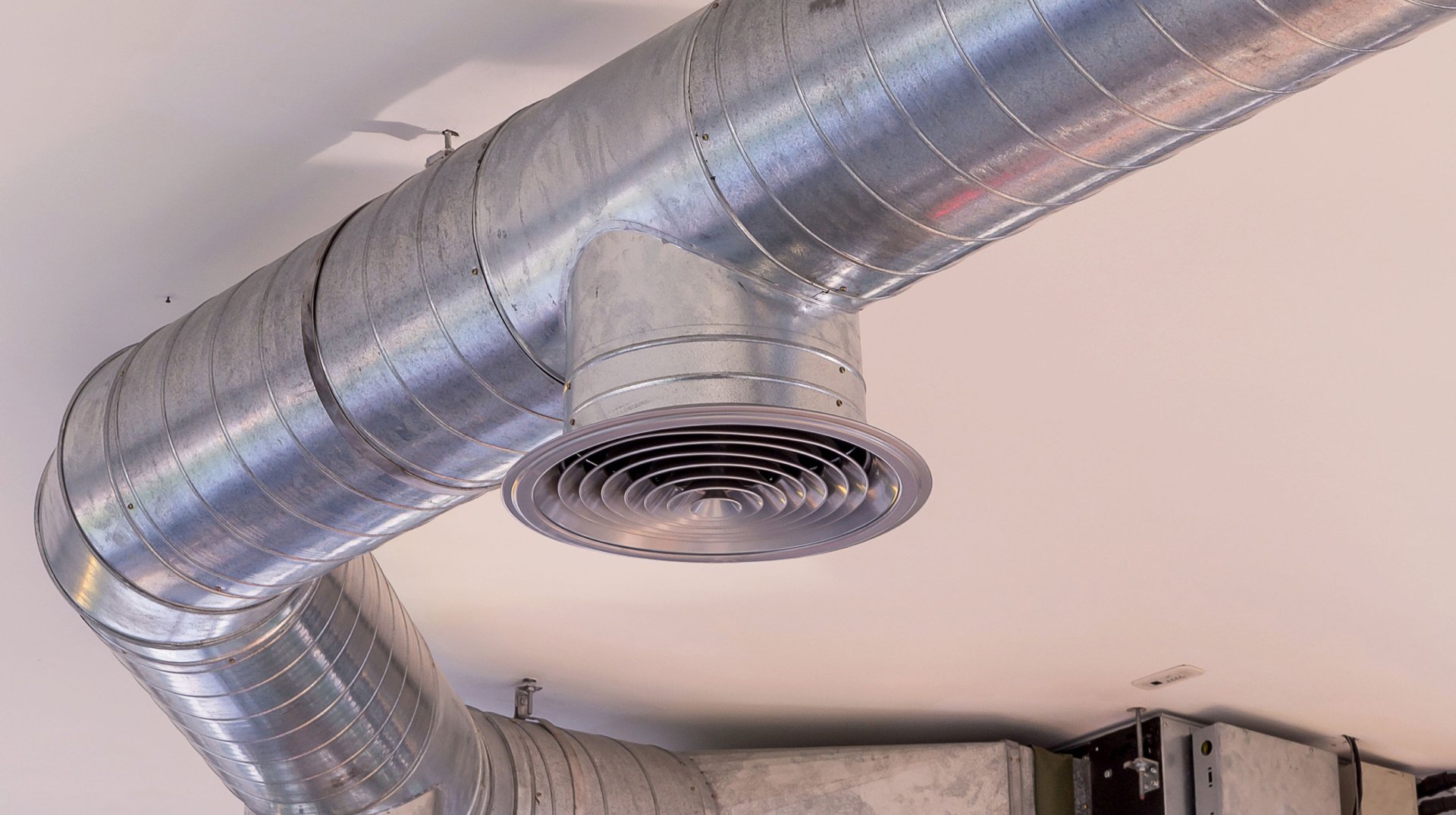
The layout and design of your HVAC ductwork are crucial for optimizing airflow, maintaining indoor air quality, and maximizing energy efficiency. Much like the circulatory system in the human body, ducts distribute conditioned air throughout the space, ensuring thermal comfort and balanced temperature. Selecting the right type of ductwork is key to reducing energy waste and enhancing HVAC system performance.
Two common duct types used in HVAC systems are tubular ducts and spiral ducts. Each comes with its advantages depending on factors like ease of installation, airflow efficiency, durability, and cost. While tubular ducts are compact and budget-friendly, spiral ducts provide superior strength and resistance to high pressure. Understanding the differences between these options can help you choose the best solution for your building’s needs.
What is a Tubular Duct?
Tubular ducts have a round or cylindrical shape and are widely recognized for their smooth airflow and lightweight construction. These ducts are made from materials like galvanized steel, aluminum, or pre-insulated duct, making them an ideal choice for residential and smaller commercial applications. Their simple design allows for easy installation, especially in buildings with limited space.Tubular ducts are often preferred for projects that require efficient airflow and minimal installation time. Their versatility enables them to work well with various HVAC components, such as duct seal systems, dampers, and flexible connectors, which further enhance their ability to distribute conditioned air effectively.
Key Benefits of Tubular Ducts:
- Improved Airflow Efficiency: The round shape minimizes turbulence and friction, resulting in smoother air distribution and better temperature control.
- Lower Air Leakage: Well-sealed joints reduce air loss, ensuring that the HVAC system operates at its full potential.
- Cost-Effective: Tubular ducts are made with fewer materials and less labor-intensive processes, keeping both material and installation costs lower than other duct types.
- Space-Saving: Ideal for buildings with space limitations, such as narrow ceilings or mechanical rooms, where routing is challenging.
- Quick Installation: The lightweight nature of tubular ducts speeds up installation, which saves time and money on large projects.
- Energy Efficiency: Reduced airflow resistance translates into better HVAC system performance and lower energy bills.
What is a Spiral Duct?
Unlike tubular ducts, spiral ducts have a helical shape, which enhances their structural strength and resistance to high-pressure conditions. Made from galvanized steel, stainless steel, or aluminum, these ducts are commonly used in industrial and large commercial applications that require a durable, long-lasting solution.Spiral ducts are designed for high-performance HVAC systems, offering excellent airflow with minimal leakage. Their seamless, smooth inner surface ensures efficient air distribution and reduced noise levels. In addition to their superior functionality, spiral ducts are gaining popularity in modern architectural designs, especially in spaces where exposed ductwork is a stylistic choice, like in restaurants, offices, or industrial lofts.
Advantages of Spiral Ducts:
- High Durability: Spiral ducts are engineered to handle harsh conditions and high air pressures, making them perfect for industrial use.
- Superior Strength: The spiral structure provides better physical stability and resistance to damage compared to traditional ducts.
- Minimal Air Leakage: The seamless construction and tightly sealed joints reduce air loss, improving overall HVAC performance and reducing operating costs.
- Aesthetic Appeal: Spiral ducts are often visible in modern designs, providing a sleek, industrial look to spaces that showcase ductwork as a feature.
- Noise Reduction: The robust construction of spiral ducts minimizes vibrations and air turbulence, making them ideal for quieter operation.
- Corrosion Resistance: Available in materials like stainless steel and galvanized steel, they are resistant to rust and wear, ensuring longevity in damp or humid environments.
- Long-Term Cost Savings: While they have a higher upfront cost, spiral ducts require less maintenance and have a longer lifespan, offering cost savings over time.
HVAC Companies in Saudi Arabia: Meeting the Demand for Quality Ducting Solutions
Given Saudi Arabia’s extreme summer temperatures, HVAC systems are crucial for maintaining comfort in homes, offices, malls, factories, and healthcare facilities. The demand for efficient HVAC systems, including quality ductwork like tubular ducts and spiral ducts, continues to rise as urbanization expands.
Many HVAC companies in Saudi Arabia specialize in both residential and commercial air conditioning systems, offering custom solutions for ducts. These include pre-insulated ducts, spiral ducting, and duct connectors, which are designed to enhance airflow and maintain indoor air quality. As the HVAC industry in Saudi Arabia shifts toward energy-efficient solutions, companies are focusing on reducing power consumption while promoting eco-friendly practices.
Energy-Saving HVAC Systems: Leading HVAC companies in Saudi Arabia are incorporating duct seal materials and optimized systems to reduce energy waste and improve overall system performance.
Optimize Your HVAC System with Airlution
Choosing the right type of duct is essential for ensuring efficient airflow, reduced energy use, and system reliability. Whether you’re installing ducts in a residential, commercial, or industrial space, selecting tubular ducts or spiral ducts can significantly impact your HVAC system’s efficiency.
At Airlution, we offer custom HVAC solutions to meet the diverse demands of Saudi Arabian buildings. From pre-insulated ducts to spiral ductwork and flexible duct connectors, we ensure that our ducts are precisely engineered to improve energy efficiency, reduce cooling costs, and provide optimal indoor comfort. Whether you’re upgrading your HVAC system or installing a new one, Airlution is your trusted partner in delivering reliable, high-performance duct solutions.
Conclusion
Choosing between tubular ducts and spiral ducts depends on your project needs. Tubular ducts are cost-effective and easy to install, making them great for smaller spaces or budget-conscious projects. Spiral ducts, however, offer higher durability, lower maintenance, and better airflow efficiency, making them ideal for larger commercial or industrial setups. Pick the duct type that best suits your building’s requirements to optimize energy efficiency and improve HVAC performance.contact us for trusted hvac contractors & suppliers in saudi arabia.
FAQs
Which duct type is more energy-efficient?
Spiral ducts are more energy-efficient due to fewer joints and better airflow.
Are tubular ducts more affordable than spiral ducts?
Yes, tubular ducts are generally more cost-effective in terms of material and installation.
Can spiral ducts be used in residential buildings?
Yes, spiral ducts can be used in residential buildings that need high-pressure resistance.
Do spiral ducts require special installation techniques?
Yes, spiral ducts require skilled labor for proper fitting and sealing.
Which duct type requires less maintenance?
Spiral ducts require less maintenance due to their fewer joints and stronger structure.
What materials are commonly used for tubular and spiral ducts?
Both are typically made from galvanized steel, aluminum, stainless steel, or pre-insulated panels.
How does duct selection impact HVAC efficiency?
The right duct improves airflow, reduces energy loss, and enhances indoor air quality.