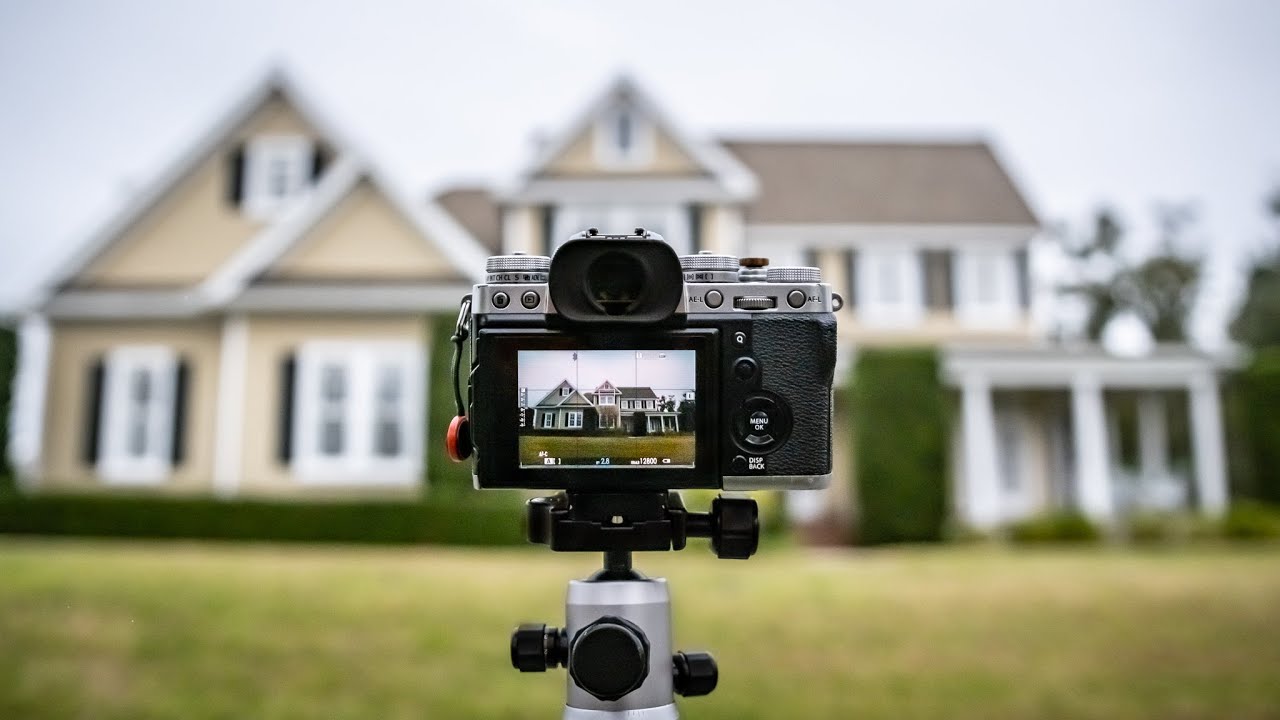
High-quality real estate photography plays a major role in how properties are perceived by buyers across South Carolina. With most home searches starting online, images become the first point of connection between a property and potential buyers. Well-composed photos encourage clicks, showings, and serious inquiries, while poorly captured images often cause listings to be overlooked.
Creating strong real estate photos requires more than just a good camera. It involves planning, lighting awareness, composition skills, and an understanding of how buyers visually interpret space.
Start With Proper Preparation
Before taking any photos, preparation is essential. A clean and organized space photographs far better than one filled with clutter or personal items. Surfaces should be cleared, furniture arranged to allow open flow, and unnecessary décor removed.
Preparing the property also means checking details such as light bulbs, window cleanliness, and outdoor appearance. These small elements contribute to a polished final image and prevent distractions that can pull attention away from the home’s best features.
Choose the Right Time of Day
Lighting can dramatically change how a property looks in photos. Natural light is often the most flattering, but it depends on the direction the home faces and the time of year.
Morning light may work best for east-facing homes, while late afternoon can enhance west-facing exteriors. Taking time to observe how light enters each room allows photographers to plan shots that feel warm, bright, and balanced rather than harsh or shadowed.
Focus on Balanced Composition
Composition determines how a viewer experiences the image. Proper framing helps rooms feel open and functional while maintaining realism. Standing at the correct height, often near chest level, helps prevent distorted angles and unnatural perspectives.
Capturing corners of rooms can help show depth and layout, while straight vertical lines keep walls and door frames looking clean and professional. Balanced composition helps buyers understand the flow of the home without confusion.
Use Lighting to Enhance Space
Interior lighting should complement natural light rather than compete with it. Turning on lamps and overhead lights can help fill dark areas and create a consistent tone throughout the room.
Careful control of brightness ensures that windows are not blown out and shadows are minimized. This balance makes rooms feel inviting and livable rather than flat or overly dramatic.
Pay Attention to Exterior Shots
Exterior images are just as important as interior ones. Curb appeal sets the tone for the entire listing. Clean walkways, trimmed landscaping, and clear entryways improve first impressions instantly.
Weather conditions also matter. Clear skies or lightly overcast days provide even lighting and prevent harsh shadows. Exterior photos should showcase the property’s structure while highlighting its surroundings without distraction.
Highlight Features Buyers Care About
Not every detail needs to be photographed. Focus should be placed on spaces that influence buying decisions, such as kitchens, living areas, primary bedrooms, and outdoor spaces.
During the planning phase, many professionals who specialize in real estate photography in Greenville SC prioritize features that reflect lifestyle and usability rather than decorative excess. This approach helps buyers imagine how they would live in the home.
Maintain Consistency Across Images
Consistency creates a cohesive visual experience. Similar lighting tones, angles, and spacing between shots make listings feel organized and professional.
Inconsistent photos can confuse buyers or make the listing feel disjointed. Maintaining uniformity across all images helps guide viewers naturally from room to room.
Avoid Over Editing
Post-processing should enhance photos, not alter reality. Excessive editing can misrepresent space, color, or lighting, leading to disappointment during showings.
Adjustments should focus on correcting exposure, improving clarity, and balancing color tones. The goal is to present the home accurately while highlighting its strengths in an honest way.
Capture the Flow of the Home
A strong photo set tells a story. Images should follow a logical sequence that mirrors how someone would walk through the property.
Showing transitions between rooms helps buyers understand layout and connectivity. This approach reduces uncertainty and builds confidence before an in-person visit.
Use Equipment That Matches the Task
While modern smartphones are capable, dedicated cameras with proper lenses offer greater control and quality. Wide-angle lenses are useful for interiors, but they must be used carefully to avoid distortion.
Stability tools such as tripods ensure sharp images and consistent framing. Proper equipment supports better results, especially in low-light conditions.
Review Images With a Buyer’s Eye
Before finalizing photos, review them from the perspective of a buyer seeing the home for the first time. Look for distractions, awkward angles, or missing spaces.
Removing weak images strengthens the overall presentation. A smaller set of high-quality photos is more effective than a large collection of average ones.
Building Long Term Value Through Quality
High-quality real estate photography benefits more than a single listing. It strengthens agent branding, improves marketing performance, and builds trust with future clients.
Listings that consistently feature strong visuals stand out in competitive markets and attract serious buyers more efficiently. Over time, this approach leads to faster sales and better engagement.
Final Thoughts
Capturing high-quality real estate photos in South Carolina requires preparation, thoughtful lighting, strong composition, and an understanding of buyer expectations. When done correctly, photography transforms listings from simple advertisements into compelling visual experiences.
Homes that are presented clearly and attractively gain attention, inspire confidence, and generate stronger interest. Investing time and skill into photography remains one of the most effective ways to elevate property marketing and achieve better listing outcomes.