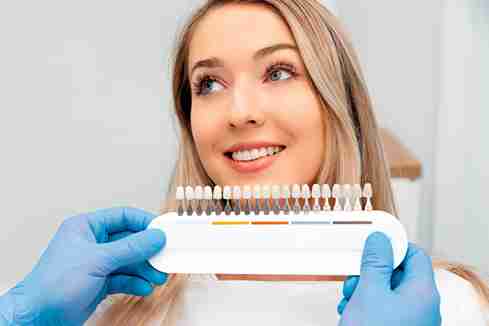
A bright, even smile is one of the most common goals in cosmetic dentistry. Teeth whitening has become increasingly popular as a simple way to enhance appearance and boost confidence. However, achieving a uniform colour is not always straightforward, particularly for patients who already have dental restorations. Crowns, veneers, bridges, and implant-supported teeth behave very differently from natural enamel when exposed to whitening agents. Without proper planning, this can lead to visible colour mismatches that undermine the desired result. Understanding how teeth whitening interacts with prosthetic materials allows patients to make informed decisions and achieve a balanced, natural-looking smile that lasts.
How Teeth Whitening Works
What whitening agents do
Professional and at-home whitening systems typically use peroxide-based gels. These agents penetrate the outer enamel layer and break down stain molecules caused by food, drink, smoking, and ageing. This chemical process lightens the internal colour of natural teeth rather than simply removing surface stains, resulting in a noticeably brighter smile over time.
What whitening cannot do
While whitening is effective on natural enamel, it has clear limitations. Whitening agents cannot alter the colour of artificial materials such as porcelain or composite. This means existing restorations will remain the same shade, regardless of how much surrounding teeth lighten. Managing expectations at this stage is essential to avoid disappointment and to plan further cosmetic steps if required.
Understanding Dental Prosthetic Materials
Common prosthetic materials used in dentistry
Modern dentistry uses a range of materials to restore damaged or missing teeth. The most common include:
- Porcelain and ceramic crowns
- Composite resin fillings
- Veneers
- Implant-supported crowns
These materials are designed for durability, aesthetics, and colour stability, but they respond differently to whitening than natural teeth.
Colour stability of prosthetics
Prosthetic materials are manufactured in specific shades and are resistant to bleaching. Although some composites may pick up surface stains over time, their underlying colour does not change with whitening treatment. This is particularly important for patients with visible restorations in the smile zone.
| Material Type | Responds to Whitening | Colour Stability |
| Natural enamel | Yes | Changes with treatment |
| Porcelain crowns | No | Highly stable |
| Composite fillings | No | Moderately stable |
| Implant crowns | No | Highly stable |
Patients exploring cosmetic improvements alongside treatments such as dental implant Edinburgh often need careful planning to ensure all elements of their smile match harmoniously.

Why Colour Mismatch Happens
Colour mismatch occurs when natural teeth lighten but prosthetic restorations remain unchanged. This contrast can be particularly noticeable in the front teeth, where differences in shade, translucency, and light reflection are more obvious. Even restorations that originally matched perfectly may begin to look darker once whitening is complete.Another factor is the way materials reflect light. Natural enamel has a degree of translucency that differs from porcelain or composite, which can exaggerate shade differences under certain lighting conditions. This is why professional assessment is vital before starting whitening treatment.
Planning Whitening With Existing Prosthetics
1. Whitening before restorative treatment
The ideal approach in cosmetic dentistry is to whiten natural teeth before placing new restorations. This allows the dentist to match crowns, veneers, or implant crowns to the final, stable shade of the teeth. Typically, a short waiting period is recommended after whitening to allow the colour to settle before taking shade measurements.This sequence is commonly advised for patients planning comprehensive smile improvements, including those combining whitening with Dental Implant Edinburgh treatment.
2. Whitening after prosthetic placement
If prosthetic work is already in place, whitening options become more limited. While natural teeth can still be whitened, patients should be prepared for potential colour discrepancies. In some cases, replacing or resurfacing visible restorations may be suggested to achieve a consistent appearance.
Managing Sensitivity and Material Boundaries
Teeth whitening can sometimes increase sensitivity, particularly around the margins where restorations meet natural tooth structure. Whitening gel may penetrate tiny gaps at the edges of crowns or veneers, leading to temporary discomfort or gum irritation.
Professional supervision helps minimise these risks by ensuring:
- Proper sealing of restoration margins
- Use of appropriate whitening concentrations
- Monitoring of gum and tooth response during treatment
This is especially important for patients with multiple restorations or complex dental histories.
Who Should Seek Professional Guidance?
Professional advice is strongly recommended for:
- Patients with visible crowns or veneers
- Individuals with dental implants
- Those considering full smile makeovers
- Anyone experiencing sensitivity or uneven tooth colour
People seeking cosmetic improvement through Teeth Whitening Edinburgh services benefit from tailored treatment plans that consider both natural teeth and prosthetic materials.
Timing and Shade Stabilisation After Whitening
After teeth whitening, colour changes do not settle immediately. Teeth continue to rehydrate over several days, which can slightly alter the final shade. This stabilisation period is especially important for patients planning cosmetic restorations.
Key points to consider include:
- Tooth shade can shift for up to two weeks after whitening
- Early shade matching may lead to mismatched restorations
- Dentists typically wait before final colour selection
- Stabilised shades ensure better long-term aesthetic results
Allowing sufficient time between whitening and restorative work helps achieve consistent colour matching and prevents unnecessary replacement of prosthetic materials.

Best Practices for a Harmonious Smile
Achieving and maintaining a balanced smile requires a combination of good planning and ongoing care. Best practices include:
- Choosing professional whitening over over-the-counter products
- Scheduling regular dental check-ups
- Maintaining excellent oral hygiene
- Avoiding staining foods and drinks after whitening
Patients who invest in professional teeth whitening Edinburgh treatment often achieve more predictable and longer-lasting results, particularly when restorations are involved.
Conclusion
Teeth whitening can dramatically enhance a smile, but its success depends on careful coordination with existing or planned dental prosthetics. Because artificial materials do not respond to whitening, thoughtful sequencing and professional guidance are essential to avoid colour mismatches and sensitivity issues. By understanding how whitening interacts with crowns, veneers, and implant-supported restorations, patients can make confident decisions and enjoy a cohesive, natural-looking smile. With expert planning and ongoing care, cosmetic dentistry can deliver results that are both aesthetically pleasing and long lasting, reflecting the commitment to patient-focused excellence at Smilo Dental Implant Edinburgh.