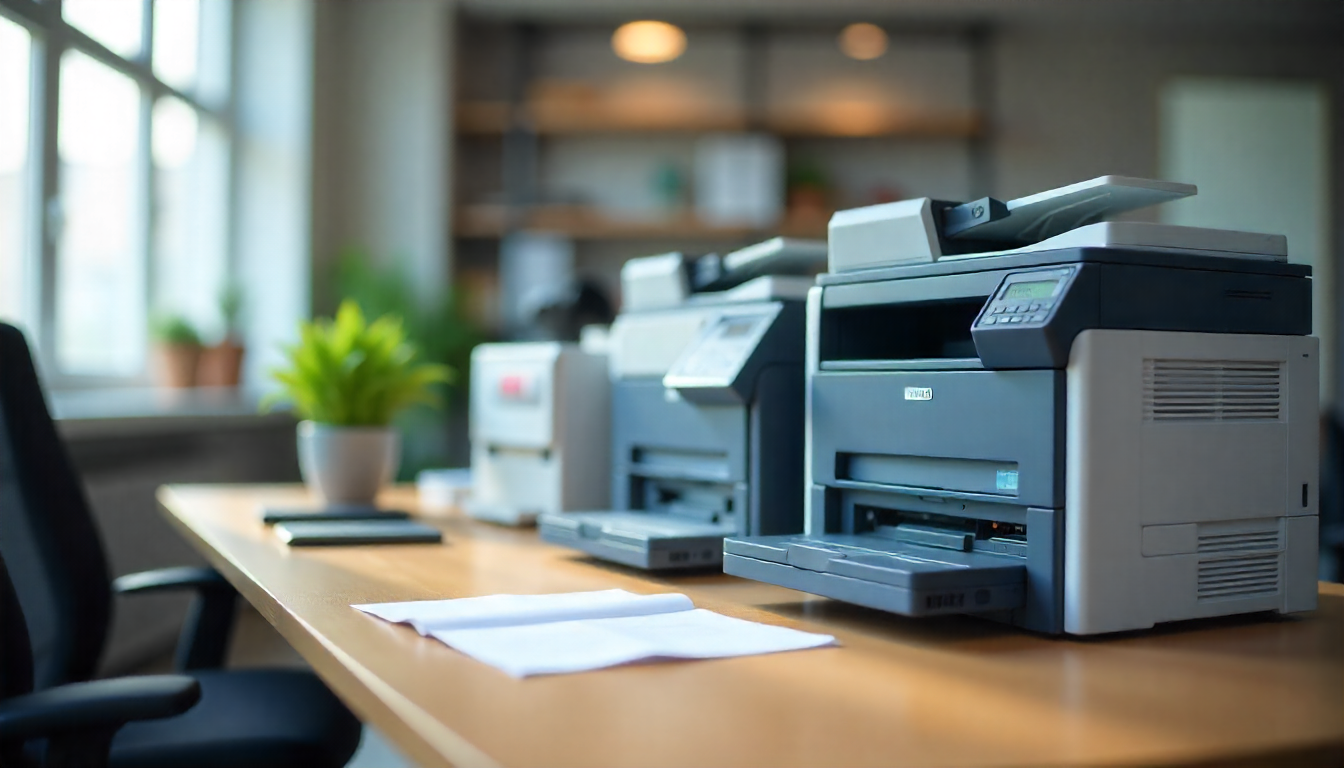
Running a productive office in Saudi Arabia requires more than computers and internet access. Daily business activities depend on organised office supplies and reliable document equipment such as printers and copiers. Companies of every size—from small trading firms to large construction enterprises—still handle a significant amount of paperwork. Having the correct tools and consumables available ensures that employees work efficiently and deadlines are met without frustration.
The workplace environment in the Kingdom has unique characteristics. Offices operate in hot climates, often with high levels of dust and continuous usage demands. Because of this, equipment durability and supply quality become critical factors. Poor choices lead to frequent paper jams, faded prints, and expensive repairs. Thoughtful planning helps businesses avoid these problems and create a smoother workflow for administration, finance, education, and customer service tasks.
The Foundation of Office Productivity
Office productivity is built on two pillars: materials and machines. Materials include paper, cartridges, stationery, and storage products. Machines include single-function printers, multifunction printers, and commercial copiers. When both pillars are balanced correctly, an office becomes organised and capable of handling high workloads. When one pillar is weak, the entire operation suffers.
Printed documents remain legally and practically important in Saudi Arabia. Contracts often require hard copies, government submissions are still largely paper based, and many clients prefer physical invoices. For training sessions and meetings, printed handouts continue to be widely used. This ongoing dependence on paper makes it essential for offices to maintain proper inventories and choose equipment suited for their industry.
Evaluating Office Supply Categories
A typical Saudi office uses several categories of supplies every month. Understanding these categories helps managers plan procurement.
Paper and Media
High-quality printing begins with good paper. Offices commonly keep both A4 and A3 sizes. A4 paper is used for letters, forms, and reports. A3 media is required by real-estate, engineering, and education sectors for diagrams and large presentations. Specialty media such as labels and envelopes support shipping departments and marketing teams.
Toner and Ink Cartridges
Cartridges are the lifeblood of printers and copiers. Laser printers use toner cartridges, while inkjet devices use liquid ink. Businesses that print thousands of pages monthly prefer laser machines because toner yields are higher. Colour cartridges are important for departments preparing proposals or promotional materials.
Stationery and Desk Supplies
Pens, markers, notepads, files, staplers, and organisers allow administrative staff to manage paperwork properly. These items might seem small, but shortages of basic stationery often delay important tasks.
Spare Parts and Maintenance Items
Imaging drums, fusers, feed rollers, and cleaning kits keep machines functional. In Saudi offices, replacing worn parts on time is vital to prevent major breakdowns.
Printer Options for Different Business Scales
Printers are available in many models. The right option depends on the number of employees and expected workload.
Personal and Small Office Printers
Startups with 1-5 users generally select compact A4 laser printers or inkjet printers. These machines handle up to 1,000 pages per month comfortably. They are easy to install on desks and require minimal technical knowledge.
Medium Office Printers
Offices with 10-30 users need faster equipment. Printers with speeds of 30-45 pages per minute and network connectivity are recommended. Multifunction laser printers are especially popular because they allow scanning and copying without extra devices.
Large Office and Departmental Printers
Enterprises with heavy daily operations benefit from high-end laser printers designed for long duty cycles. These machines include large paper trays and advanced security functions so that many employees can print safely.
Copier Machines and Their Importance
While printers create new output, copiers reproduce existing documents. Many Saudi businesses still receive signed papers from clients and must duplicate them quickly.
Monochrome Copiers
Monochrome copiers produce black-and-white copies at high speeds. They are ideal for legal offices and educational institutions. Copy speeds often range from 22 to 55 pages per minute.
Colour Copiers
Colour copiers are used where professional presentation matters. Marketing departments and design offices rely on them to create vibrant brochures and event materials.
Production Copiers
Very large organisations that copy more than 20,000 pages monthly install production-level copiers. These machines are built like workhorses and include automatic document feeders capable of handling hundreds of pages in one job.
Helpful Statistics for Buyers
Market research and industry observations provide useful insight:
- Nearly 75% of office documents printed in the region are text based and best produced by laser technology.
- Offices that shift from several small printers to one central copier often reduce consumable expenses by around 30%.
- Using double-sided printing can cut paper costs almost in half.
- Preventative servicing of copiers reduces major faults by up to 60%.
- The average lifespan of a well-maintained commercial copier is approximately 6 years.
- Businesses printing more than 3,000 pages per month save substantial money when using high-yield toner cartridges.
These numbers clearly show the value of careful equipment selection and organised supplies.
Features that Saudi Offices Should Prioritise
Before investing in printers or copiers, managers should analyse important features.
Speed and Performance
Fast machines keep queues short. For reception desks or busy finance departments, higher ppm ratings are necessary to handle peak hours.
Reliability
The harsh environment means offices must choose brands known for durability. Machines with strong paper feeding systems perform better in long shifts.
Networking
Wi-Fi and Ethernet support allow shared usage. Network-ready copiers become central document stations for entire floors.
Duplex and Automatic Feeders
Automatic document feeders help scan or copy large contracts quickly. Duplex printing lowers paper usage and supports efficiency.
User Interface
Touch screens and simple control panels reduce training time. Employees can perform tasks without needing constant IT help.
Total Running Cost
Saudi buyers should calculate cost per page, electricity use, and future part replacements. Cheap devices often become expensive later.
Organising Procurement Processes
Many companies struggle not because of lack of budget but because of unorganised purchasing habits. Establishing a procurement routine improves control.
Create Supply Lists
Each department should prepare a monthly list of required items. This prevents last-minute shopping and emergency purchases at high prices.
Centralise Orders
Instead of every employee buying individually, one office manager should handle supplies for the entire firm.
Maintain Buffer Stock
Keeping extra cartridges and paper ensures operations continue even when deliveries are delayed during holidays.
Choose Long-Term Partners
Working with professional equipment suppliers helps offices receive guidance on correct models and compatible consumables.
The Value of Proper Equipment Placement
Where you place printers and copiers affects how people use them.
- Central copiers near administrative teams balance accessibility.
- Colour machines should be located close to creative departments.
- Noisy high-speed printers are better kept in separate print rooms.
- Devices should remain away from heat sources and direct sunlight to avoid damage.
Thoughtful placement reduces congestion and keeps machines safer.
Maintenance Practices Tailored to Saudi Climate
Maintenance is especially important for offices located in desert regions.
- Regularly clean paper trays and feed rollers to remove dust.
- Wipe scanner glass weekly to maintain clear copies.
- Avoid mixing different paper qualities in the same tray.
- Turn on energy-saving modes after working hours.
- Replace imaging drums and fusers on schedule.
- Keep firmware updated when required.
- Train staff to recognise early error alerts.
- Use quality consumables to prevent internal wear.
Companies that follow these practices experience fewer faults and better print quality.
Planning Costs Over Time
Ownership costs for printers and copiers include several elements:
- Purchase price
- Toner or ink replacements
- Spare parts
- Service contracts
- Electricity consumption
- Paper usage
In many cases, consumables represent the largest long-term expense. That is why offices should prefer machines with high yields and efficient technology.
Supporting Digital Transformation
Even though paper is still necessary, printers and copiers can support digital workflows.
- Scanning documents to computers reduces physical file storage.
- Network scanning allows finance teams to archive invoices digitally.
- Multifunction devices help convert old paper records into searchable digital formats.
Combining digital practices with physical equipment creates modern hybrid offices suited for Saudi business requirements.
Professional Guidance Matters
Selecting the correct printer or copier can be confusing. There are dozens of brands and hundreds of models. Many Saudi offices rely on knowledgeable suppliers to guide them toward the right solution. From installation to cartridge management, expert support simplifies life for business owners.
At the procurement stage, having access to a dependable supplier makes the entire process easier. Offices need partners that understand local requirements, stock availability, and service expectations.
Real-World Application
Imagine an expanding trading company in Riyadh with 25 employees. They receive signed contracts from clients every day and print invoices continuously. Without a fast multifunction copier, their small desktop printer would struggle and break down. Installing a commercial copier with network support transforms their document handling. These practical scenarios are repeated in hundreds of Saudi businesses each year.
It is important to note that the right partner can assist in such transitions. Halfway through planning upgrades or arranging monthly consumables, companies often turn to reliable vendors. That is exactly where supplies hub fits naturally into the process, offering machines and materials suited for real office needs.
Final Considerations Before Purchase
Before making any final decision, review these steps:
- Calculate monthly pages printed.
- Decide whether A3 size is required.
- Choose between monochrome or colour equipment.
- Compare cartridge yields.
- Confirm networking needs.
- Evaluate available service support.
- Plan a realistic budget for 3-5 years.
Following these steps ensures long-term satisfaction.
Conclusion
Office supplies, printers, and copiers remain central to business success in Saudi Arabia. Thoughtful selection of machines and consumables improves productivity, reduces downtime, and controls long-term expenses. Whether you manage a small startup or a large enterprise, understanding your real requirements helps you invest wisely.
Proper organisation of supplies, centralised equipment placement, and scheduled maintenance practices ensure smooth daily operations throughout the Kingdom. As businesses continue to grow and modernise, hybrid workflows supported by dependable printers and commercial copiers will stay essential. With the right planning approach and professional supplier support, Saudi offices can build efficient document systems that serve them reliably for many years.