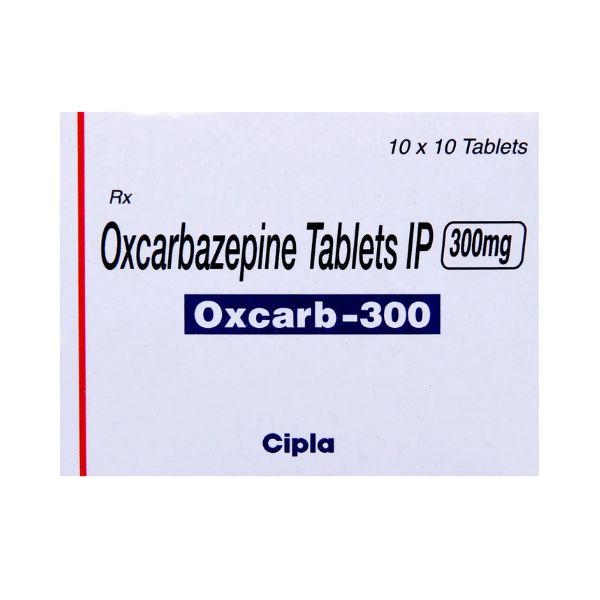
Oxcarb 300 which is also known as Oxcarbazepine 300 mg is a widely prescribed anticonvulsant medication used to manage seizure disorders, particularly epilepsy. It is designed to stabilize abnormal electrical activity in the brain and reduce the frequency and severity of seizures. This in-depth guide is mainly targeted toward the US healthcare market, where seizure disorders affect millions of adults and children and require long-term, clinically proven treatment options.
In the United States, Oxcarb 300 has become an important part of modern neurological care due to its effectiveness, improved tolerability, and reduced risk of drug interactions compared to older antiepileptic medications.
Understanding Seizure Disorders
Seizure disorders occur when abnormal electrical signals disrupt normal brain function. These disruptions can lead to involuntary movements, changes in awareness, or loss of consciousness.
Common Types of Seizures
-
Focal (partial) seizures
-
Generalized seizures
-
Focal seizures with secondary generalization
In the US, epilepsy is one of the most common neurological conditions, affecting over 3 million adults and nearly 500,000 children, making medications like Oxcarb 300 essential for disease management.
What Is Oxcarb 300 (Oxcarbazepine 300 mg)?
Oxcarb 300 is an oral tablet containing 300 mg of oxcarbazepine, a second-generation antiepileptic drug. It is primarily prescribed to control focal seizures and is approved for use as both:
-
Monotherapy (used alone)
-
Adjunctive therapy (used with other seizure medications)
Oxcarbazepine, the active ingredient in Oxcarb 300, is FDA-approved in the United States and is recognized for its balance of efficacy and safety.
How Oxcarb 300 Works in the Brain
Oxcarb 300 works by targeting sodium channels in brain cells. These channels are essential for transmitting electrical signals between neurons.
Mechanism of Action
-
Blocks voltage-gated sodium channels
-
Stabilizes overactive neurons
-
Prevents abnormal electrical firing
-
Limits the spread of seizure activity
By regulating electrical impulses, Oxcarb 300 helps maintain normal brain function and reduces seizure episodes.
Why Oxcarb 300 Is Important in Seizure Management
1. Effective Control of Focal Seizures
Oxcarb 300 is especially effective in managing partial (focal) seizures, which are among the most common seizure types diagnosed in the US.
2. Improved Safety Profile
Compared to older antiepileptic drugs:
-
Fewer drug-drug interactions
-
Lower risk of liver enzyme induction
-
Better tolerability
3. Suitable for Long-Term Use
Epilepsy often requires lifelong treatment, and Oxcarb 300 is designed for sustained therapy under medical supervision.
Medical Uses of Oxcarb 300
1. Epilepsy Treatment
The primary use of Oxcarb 300 is to treat epilepsy by reducing seizure frequency and severity.
2. Adjunctive Therapy
Oxcarb 300 is often prescribed alongside other anticonvulsants when seizures are not adequately controlled with a single medication.
3. Pediatric Seizure Management
Oxcarb 300 is commonly used in children in the United States, with dosing adjusted based on age and weight.
4. Off-Label Uses
In some US clinical settings, oxcarbazepine may be prescribed off-label for:
-
Bipolar disorder
-
Trigeminal neuralgia
-
Neuropathic pain
These uses depend on physician judgment and patient-specific factors.
Benefits of Oxcarb 300 (Oxcarbazepine 300 mg)
1. Reduced Seizure Frequency
Clinical trials and real-world US data demonstrate significant seizure reduction in many patients.
2. Better Patient Tolerability
Patients often experience fewer cognitive and gastrointestinal side effects compared to older anticonvulsants.
3. Flexible Dosing
The 300 mg tablet allows gradual dose adjustments, aligning with US guidelines for personalized epilepsy care.
4. Improved Quality of Life
Effective seizure control helps patients:
-
Maintain employment or education
-
Regain independence
-
Reduce emergency hospital visits
Dosage and Administration
Typical Adult Dosage
-
Starting dose: 300 mg twice daily
-
Dose increased gradually as needed
-
Maintenance dose determined by physician
Pediatric Dosage
-
Based on body weight
-
Adjusted carefully by pediatric neurologists
Administration Tips
-
Take Oxcarb 300 at the same time each day
-
Can be taken with or without food
-
Do not stop abruptly
US healthcare providers emphasize adherence to prevent breakthrough seizures.
Side Effects of Oxcarb 300
Most patients tolerate Oxcarb 300 well, but side effects may occur.
Common Side Effects
-
Dizziness
-
Drowsiness
-
Headache
-
Fatigue
-
Nausea
Serious but Less Common Side Effects
-
Hyponatremia (low sodium levels)
-
Allergic skin reactions
-
Mood or behavioral changes
In the US, routine monitoring—especially sodium levels—is standard practice.
Drug Interactions
Oxcarb 300 may interact with:
-
Hormonal contraceptives
-
Other antiepileptic drugs
-
Certain antidepressants
US clinicians carefully review medication histories to minimize interaction risks.
Who Should Use Oxcarb 300 With Caution?
Oxcarb 300 may require caution in:
-
Patients with kidney disease
-
Elderly individuals
-
Patients with a history of drug allergies
Always consult a licensed US healthcare professional before starting treatment.
Oxcarb 300 vs Other Seizure Medications
| Feature | Oxcarb 300 | Carbamazepine | Valproate |
|---|---|---|---|
| Drug Interactions | Low | High | Moderate |
| Liver Enzyme Induction | Minimal | High | Moderate |
| Sodium Monitoring | Required | Less common | Rare |
| US Prescribing Trend | Increasing | Declining | Stable |
Oxcarb 300 is increasingly favored in the US for its balanced risk-benefit profile.
Clinical Importance of Oxcarb 300 in the US
High Disease Burden
Epilepsy remains a major public health concern in the United States.
Alignment With US Treatment Guidelines
Oxcarb 300 supports modern, patient-centered epilepsy care.
Reduced Healthcare Costs
Better seizure control leads to fewer emergency visits and hospitalizations.
Lifestyle and Compliance Considerations
For US patients, seizure control affects:
-
Driving eligibility
-
Workplace safety
-
Insurance coverage
Oxcarb 300’s twice-daily dosing supports better medication adherence.
Storage and Handling
-
Store at room temperature
-
Protect from moisture and heat
-
Keep out of reach of children
These guidelines follow US pharmaceutical safety standards.
Future Outlook of Oxcarb 300
Ongoing research in the United States continues to explore:
-
Personalized dosing strategies
-
Genetic response markers
-
Long-term safety outcomes
Oxcarb 300 remains a cornerstone therapy in epilepsy management.
Frequently Asked Questions (FAQs)
1. What is Oxcarb 300 used for?
Oxcarb 300 is used to manage seizure disorders, especially focal seizures.
2. Is Oxcarb 300 the same as Oxcarbazepine 300 mg?
Yes, Oxcarb 300 contains oxcarbazepine 300 mg as its active ingredient.
3. Is Oxcarb 300 FDA approved in the US?
Yes, oxcarbazepine is FDA-approved for seizure management.
4. Can Oxcarb 300 be used long term?
Yes, it is safe for long-term use under medical supervision.
5. Can children take Oxcarb 300?
Yes, it is commonly prescribed to pediatric patients with adjusted dosing.
6. Can I stop Oxcarb 300 suddenly?
No. Abrupt discontinuation can increase seizure risk.
Conclusion
Oxcarb 300 (Oxcarbazepine 300 mg) plays a critical role in managing seizure disorders by stabilizing brain activity and reducing seizure frequency. Its proven effectiveness, improved tolerability, and flexibility make it a trusted choice in modern neurological care. This guide, mainly targeted toward the US audience, highlights why Oxcarb 300 remains an essential medication in epilepsy treatment and seizure management.