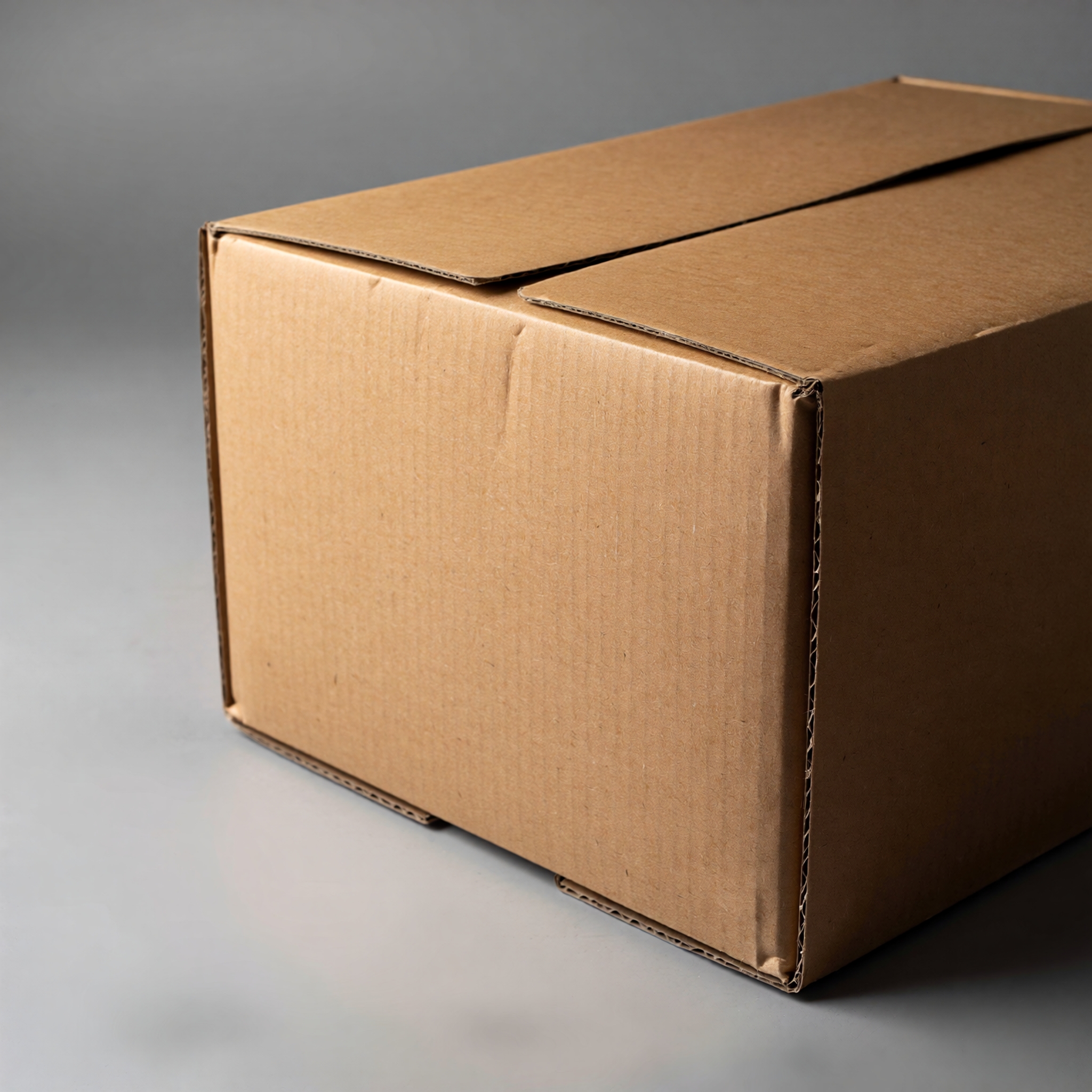
In the competitive UK market, brands rely heavily on strong, reliable, and visually appealing packaging. A well-designed product box not only protects the item but also supports branding, customer experience, and supply chain efficiency. While printing and materials matter, the structural design of a product box plays the biggest role in strength and durability. The right structure can transform basic box packaging into a secure and efficient solution for shipping, storage, and retail display.
Why Structural Strength Matters in Modern Product Packaging
With more UK businesses selling products online, packaging must survive courier handling, stacking, storage, and transport. Weak product packaging leads to damage, returns, and negative customer experiences.
The Hidden Pressure on Product Boxes
During delivery, a product box is exposed to:
-
Compression from stacking
-
Drops and sudden impacts
-
Vibrations during transit
-
Moisture and temperature changes
-
Pressure from other packaging
Without strong structural design, product boxes become vulnerable, especially if the product is fragile, premium, or heavy.
Key Structural Elements That Strengthen a Product Box
Structural design refers to how the box is engineered—its cuts, folds, layers, and internal support systems. These features define the strength of carton packaging, custom product boxes, and all types of product packaging boxes.
1. Material Thickness and Fluting
Corrugated board strength depends on flute type (E, B, C, or double-wall). Thicker material absorbs impact better, providing extra durability.
-
E-flute: great for lightweight retail products
-
B or C-flute: ideal for shipping and heavier items
-
Double-wall: maximum protection for fragile goods
Choosing the right material ensures the product box can handle handling stress and weight.
2. Strong Locking Mechanisms
Structural locking systems such as:
-
Crash-lock bottoms
-
Auto-lock bases
-
Interlocking tabs
-
Self-locking trays
These add support and prevent the box from opening during transport.
3. Reinforced Edges and Corners
Edges are the weakest part of any product packaging. Structural reinforcement, double folding, and additional creasing lines increase strength and help the box keep its shape.
4. Internal Support and Inserts
Custom inserts stabilise products inside the product box, reducing movement and preventing damage. They also distribute weight evenly, enhancing the structural durability of packaging products.
Conclusion:
The structural design of a product box is one of the most important factors in effective product packaging. It determines durability, safety, customer experience, and brand perception. With the right materials, folding methods, inserts, and box style, UK businesses can create strong, efficient, and visually appealing product boxes that protect their products and elevate their brand.