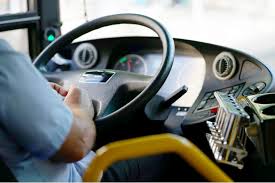
Getting your Class 4 license can feel like a big step, but it’s one of the smartest moves you can make if you want to drive taxis, ride-share vehicles, small buses, ambulances, or vans that carry up to 12 passengers. Class 4 license training is designed to turn safe, everyday drivers into true professionals who can handle passengers responsibly. This guide breaks everything down in simple terms so you know exactly what to expect and how to succeed.
Why Choose Class 4 License Training Over Learning on Your Own?
Most people already have a Class 5 license, so they think they can just “figure it out.” The truth is, passenger-carrying vehicles come with extra risks and legal rules. Class 4 license training teaches you defensive driving techniques specific to carrying people, how to manage passenger behavior, emergency procedures, and proper vehicle inspections. Approved schools use experienced instructors who have driven professionally for years — knowledge you simply can’t get from YouTube videos or a friend. Plus, insurance companies and employers love seeing proper training on your record.
What Are the Basic Requirements Before You Start Class 4 Training?
You must be at least 19 years old, hold a full Class 5 license for a minimum of one or two years (rules vary slightly by province), and have a clean driving record (usually no more than six demerit points). You’ll also need a medical report from your doctor confirming you’re fit to drive commercially. Many schools help you arrange the medical exam and even book the official road test for you. Having these documents ready before you call a training school saves weeks of back-and-forth.
How Long Does Class 4 License Training Actually Take?
Most reputable programs run between 20 and 45 hours of combined in-class and in-car training spread over one to three weeks. Some schools offer weekend-only or evening courses for people who work full-time. The in-class portion covers air brakes (if needed), trip inspections, dangerous goods awareness, hours-of-service rules, and customer service skills. The in-car sessions focus on city driving, highway merging with passengers, proper mirror use, and smooth braking that doesn’t throw people around. You can usually finish everything in under a month if you stay consistent.
What Happens During the In-Car Class 4 Training Sessions?
Expect one-on-one time with a certified instructor in a real taxi or passenger van. You’ll practice blind-spot checks that are bigger than a regular car, learn how to load and secure wheelchairs, handle sudden passenger illness, and perform perfect parallel parks under pressure. Instructors purposely put you in busy downtown areas and rush-hour traffic because that’s where you’ll actually work. They also teach you how to speak calmly on the radio and deal with difficult passengers without escalating the situation. By the end, the vehicle feels like an extension of you.
How to Pick the Best Class 4 License Training School Near You
Look for school approved by your province’s transportation ministry — this is non-negotiable. Check online reviews on Google and Facebook from the last six months; happy students mention specific instructors by name. Ask if they guarantee road-test vehicle rental and whether the instructor stays with you during the actual test (huge stress reliever). Compare total prices, but remember the cheapest school often re-tests you multiple times and ends up costing more. A good school has modern vehicles, high first-time pass rates (85% or better), and flexible scheduling.
Costs and Ways to Save Money on Class 4 License Training
Full programs usually range from $1,200 to $2,800 depending on your location and whether air-brake endorsement is included. Many schools offer payment plans or early-bird discounts if you book two months ahead. Some ride-share companies and taxi firms reimburse part or all of the training cost once you start driving for them — always ask before you pay. If you’re on employment insurance or WorkSafe programs, you might qualify for full funding. Never skip shopping around; a $400 difference can pay for your first week of gas on the job.
Preparing for the Official Class 4 Road Test Day
Your school will schedule a pre-test where the instructor pretends to be the examiner. Fix every little mistake they point out — mirror checks, speed control, shoulder checks, smooth stops. On test day, sleep well, eat breakfast, and arrive 30 minutes early. The examiner is looking for safety above everything else, not perfection. Speak out loud during the test (“checking left mirror, signaling, shoulder check”) — it proves you’re aware. Most students say the actual test feels easier than the school’s practice sessions because they’re so well prepared.
Life After You Pass Your Class 4 License Training
The moment you hand over that new license, job offers start coming in. Taxi companies, Uber and Lyft drivers, hotel shuttles, non-emergency patient transport, and school van contractors all need Class 4 drivers. Many new drivers clear $25–$40 per hour after expenses, especially on evenings and weekends. Your confidence behind the wheel skyrockets because you know you’ve been trained to handle almost anything the road throws at you. Best of all, you’re now part of a professional community that takes pride in getting people home safely every single day.
Ready to get started? Search “approved Class 4 license training near me” or ask friends already driving commercially for recommendations. The sooner you book, the faster you’ll be earning with your new license!