Our ears are remarkable organs that allow us to hear, communicate, and maintain balance, yet they are often overlooked in everyday health routines. Proper ear health is vital for hearing, balance, and overall well-being. Many people focus on skin or dental care but forget that ear care is equally essential for long-term wellness. By taking simple steps daily, you can protect your ears from common problems and maintain optimal function. Visit VertiAid ear health for more insights.
Understanding the Anatomy of the Ear
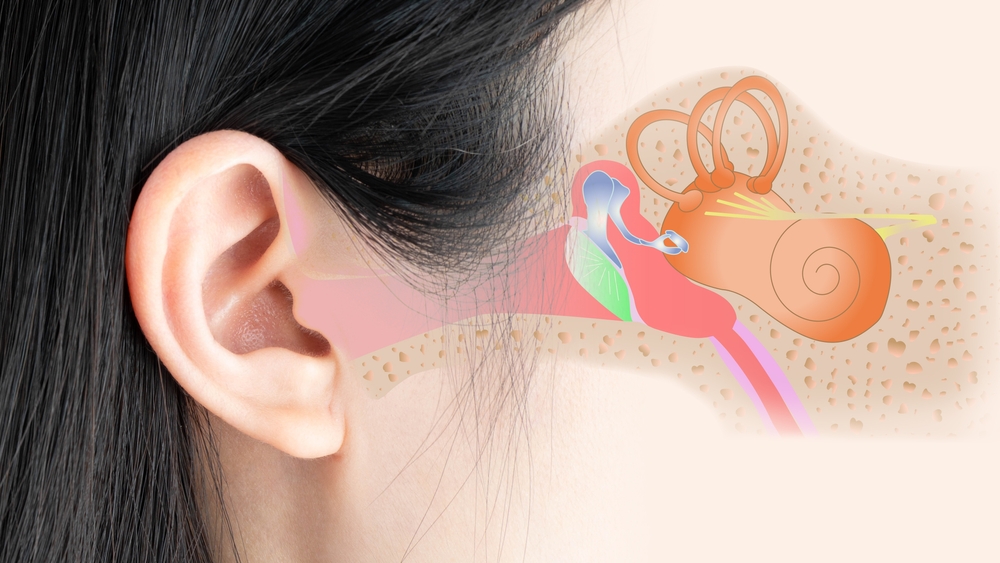
The human ear is divided into three main parts:
-
Outer Ear: Comprising the pinna (the visible part) and the ear canal, it collects sound waves and channels them toward the eardrum.
-
Middle Ear: Contains the ossicles (malleus, incus, stapes), tiny bones that transmit vibrations from the eardrum to the inner ear.
-
Inner Ear: Includes the cochlea and vestibular system, responsible for converting sound into electrical signals for the brain and helping with balance.
Knowing how your ears work emphasizes why ear health is essential, as issues in one section can affect hearing or balance.
Common Ear Problems
Several issues can affect the ears at different stages of life. The most common include:
-
Ear Infections: Often caused by bacteria or viruses, infections may affect the outer, middle, or inner ear. Children are particularly vulnerable to middle ear infections.
-
Hearing Loss: Can develop gradually or suddenly, often due to aging, loud noise exposure, or infections. Early detection is crucial.
-
Tinnitus: A ringing, buzzing, or hissing sound in the ear, sometimes linked to hearing loss or stress.
-
Earwax Blockages: While earwax protects the ear, excess buildup can cause discomfort and hearing issues.
-
Balance Disorders: Problems in the inner ear can lead to dizziness, vertigo, and higher risk of falls.
Recognizing symptoms early and seeking professional care is key to maintaining good ear health.
Tips for Maintaining Ear Health
Maintaining healthy ears requires good habits, lifestyle adjustments, and preventive care. Here are practical strategies:
1. Protect Your Hearing
Loud sounds from concerts, headphones, or machinery can damage inner ear structures. Limit exposure, use ear protection, and follow the 60/60 rule: keep headphone volume at 60% for no longer than 60 minutes at a time.
2. Clean Ears Safely
Earwax is protective, so avoid inserting cotton swabs deep into the ear canal. Instead, clean the outer ear gently. If wax buildup occurs, seek professional removal rather than trying unsafe methods at home.
3. Exercise Regularly
Physical activity improves blood flow, which benefits ear function and balance. Activities such as walking, swimming, or yoga enhance vestibular health and overall wellness.
4. Eat a Nutrient-Rich Diet
Vitamins and minerals, including A, C, E, zinc, and omega-3 fatty acids, support inner ear health and help prevent age-related hearing decline. Consuming a balanced diet ensures your ears receive the nutrients needed for optimal function.
5. Avoid Smoking and Excess Alcohol
Tobacco and excessive alcohol negatively affect circulation, including to the delicate structures in the ear. Reducing or eliminating these habits supports hearing and reduces tinnitus risk.
6. Manage Health Conditions
Chronic conditions like diabetes, high blood pressure, or cardiovascular issues can impact ear function. Proper management through diet, medication, and checkups is critical for long-term ear health.
7. Schedule Regular Checkups
Routine hearing tests help detect problems early. Adults over 50 or those exposed to high noise levels should have periodic assessments to monitor ear function and prevent irreversible damage.
Children and Ear Health
Children are more prone to ear infections due to their developing immune systems and shorter eustachian tubes. Parents should:
-
Ensure gentle ear hygiene
-
Monitor for infection signs such as fever, irritability, or fluid drainage
-
Limit exposure to loud noises
-
Consult pediatricians for recurrent infections
Establishing healthy habits early fosters lifelong ear health and helps children avoid long-term hearing issues.
The Connection Between Stress and Ear Health
Stress can exacerbate tinnitus and balance disorders. Practicing relaxation techniques such as meditation, deep breathing, and adequate sleep supports ear function. Reduced stress enhances blood circulation and eases tension in the ear region, improving overall wellness.
Natural Practices to Support Ear Wellness
Some non-invasive approaches can support ear comfort and wellness:
-
Warm Compresses: Can relieve minor ear pain or discomfort.
-
Hydration: Staying well-hydrated helps maintain fluid balance in the inner ear.
-
Essential Oils (External Use Only): Lavender or tea tree oil may soothe external ear areas but should never be applied inside the ear canal.
-
Acupressure: Certain points around the ear may improve circulation and reduce discomfort.
While these practices are helpful, they do not replace professional care for serious ear problems.
Traveling and Swimming: Ear Safety Tips
Changes in pressure during flights or diving can impact the middle ear. Swallowing, yawning, or using pressure-regulating earplugs can help. After swimming, dry your ears thoroughly to prevent swimmer’s ear infections, a common outer ear problem.
When to Seek Medical Attention
Immediate professional consultation is recommended if you experience:
-
Persistent ear pain or pressure
-
Sudden hearing loss
-
Continuous ringing or buzzing
-
Dizziness or vertigo
-
Discharge or bleeding from the ear
Early attention prevents complications and ensures proper management of ear conditions.
Conclusion
Maintaining ear health is an essential part of overall wellness. Safe listening, gentle cleaning, healthy nutrition, stress management, and regular checkups all contribute to strong, functional ears. For more on ear health, visit VertiAid to explore tips and resources for optimal ear care.