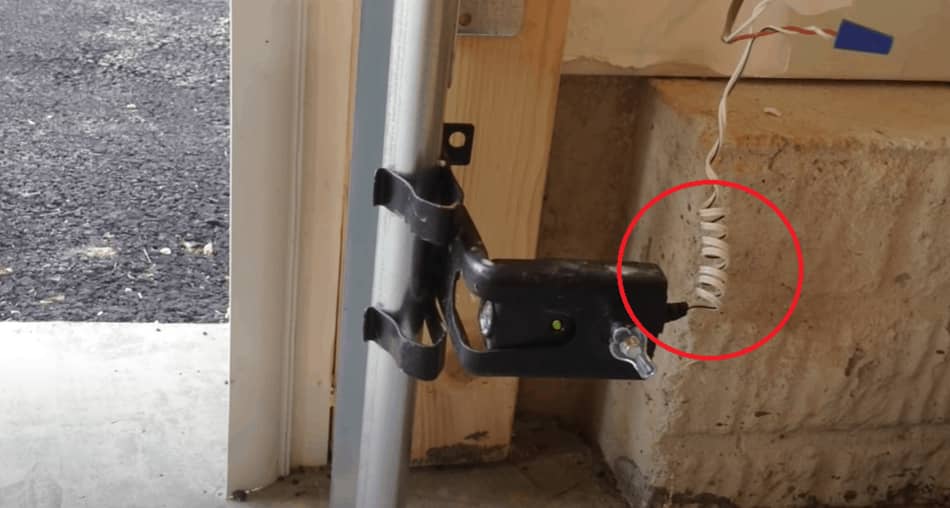
Garage door sensors work quietly in the background, yet a small wiring fault can cause them to misread movement, show false errors or stop the door from closing. These malfunctions frustrate homeowners because the symptoms appear random. Sometimes the door reverses for no reason, other times it refuses to move. Many of these issues trace back to wiring problems that develop slowly over time.
When the wiring becomes unstable, sensors lose their ability to communicate clearly. The signals weaken, the lights flicker or the system behaves unpredictably. A closer look at the wiring often reveals hidden faults that explain why the sensors react the way they do.
Early Electrical Problems That Affect Sensor Accuracy
Inside many garages, the wires that connect the sensors to the opener run along the walls and door frame. Over the years, these wires experience repeated vibration, temperature changes and accidental bumps. Even small damage to the insulation alters the current flow. When this happens, the sensors begin to lose clarity in their signal.
Loose connections create another early problem. These are often found at terminal screws inside the opener housing or at the back of the sensors. A single loose screw can interrupt the low-voltage circuit. During quiet moments, the system may act normal, but the signal drops when the door moves or the temperature rises. These inconsistencies make troubleshooting confusing.
Many homeowners first notice symptoms similar to Common Garage Door Sensor Issues in Dallas-Fort Worth, especially when the sensors start blinking unevenly or the door refuses to close fully.
Wiring Wear Caused by Movement and Vibration
Garage doors create a surprising amount of vibration. Every time the door opens or closes, the motor shakes the surrounding structure. When wiring sits too close to the track or is stapled tightly to the wall, these vibrations slowly damage the strands inside the cable.
Over time, this leads to:
- Intermittent signal drop
- Faint or flickering sensor lights
The wires may look fine from the outside, yet the hidden metal core becomes brittle. A slight pull or temperature shift causes the damaged area to break completely.
Stress points also form near bends and corners. Wires wrapped tightly around brackets or framing experience extra strain. When these tight curves weaken the copper, the sensor’s signal becomes unstable.
Moisture and Temperature Effects Inside the Garage
Garages in many regions experience wide temperature swings. Summer heat, winter chill and everyday humidity affect wiring differently. Cable insulation expands and contracts with these changes. When insulation becomes stiff or brittle, small cracks form. Once moisture gets inside the cable, oxidation begins.
Oxidized copper weakens the electrical signal and causes inconsistent performance. Sensors then misread distance, fail to detect alignment or activate unnecessary safety stops.
Humidity also affects terminal points. When metal screws inside the opener corrode, they no longer hold wires securely. This creates partial contact, making the signal fluctuate as the metal expands or contracts with temperature.
Placement Mistakes That Trigger False Sensor Readings
Sometimes the wiring fault isn’t visible immediately because it happens during installation. If wires are routed loosely across walkways or exposed areas, they risk getting caught by tools, car doors or storage bins. Even a minor tug on the line disrupts the sensor alignment.
Placing wiring too close to fluorescent lights or certain electrical devices can also trigger interference. These lights produce small electrical noise that interferes with low-voltage sensor signals. When the wiring absorbs this noise, the sensors read inconsistent information.
Corners and tight spaces are another trouble spot. When installers push wires into cramped areas behind shelves or boxes, the wires bend sharply. These sharp bends weaken the copper and shorten the lifespan of the cable.
Hidden Damage From Rodents and Household Pests
Garages often attract small pests seeking warm shelter. Rodents chew on wiring insulation because the material feels soft and warm. Even a small bite exposes the copper, leaving the sensor circuit vulnerable to short circuits.
Chewed wires often cause:
- Sudden sensor failure
- Blinking lights that appear random
- Complete communication loss
Because the damaged section may hide behind boxes or framing, homeowners rarely spot it until a full inspection is done.
Sensor Power Stability and Voltage Drops
Sensors run on low voltage, so they require clean and stable power. When wiring damage causes voltage fluctuations, the sensors cannot maintain alignment. Slight drops in voltage may not immediately stop the system but create subtle misreadings.
Voltage irregularities also arise when the wiring shares a route with devices that draw direct power. Although sensors use low-voltage lines, running them parallel to high-power cables introduces electromagnetic interference. This interference confuses the signal, especially during peak electrical activity inside the garage.
Installation Choices That Influence Long-Term Reliability
The durability of a sensor system depends on the original installation. Using thin-gauge wires, old leftover cables or improper connectors creates long-term weaknesses. Over time, these shortcuts lead to signal instability.
The use of incorrect staples or mounting clips also speeds up wiring failure. Staples pressed too tightly crush the cable, limiting movement and creating internal damage. Choosing the wrong type of mounting hardware exposes the wiring to unnecessary stress.
Lighting conditions also matter. Bright sunlight shining directly onto sensors heats the plastic housing, which transfers heat to the wiring. This speed up wear and reduces the cable lifespan. A slight repositioning during installation helps avoid this problem entirely.
Preventive Steps That Keep Sensors Working Right
A few small habits prevent wiring faults from developing into major failures. Checking the wire path every few months helps catch early signs of wear. Simple inspections reveal crushed insulation, exposed copper or corrosion on terminals before they cause misreadings.
Keeping storage items away from sensor wiring prevents accidental strain. Even placing a ladder or box near the cable can slowly bend or pinch it. Good spacing ensures the wiring remains untouched.
Upgrading old wiring every few years also improves reliability. Modern cables handle vibration, heat and moisture better than the older styles found in many garages.
Final Thoughts on Building a Stable Sensor Setup
Most garage sensor faults trace back to wiring issues that develop quietly. A small crack, loose screw or bend in the wrong spot gradually leads to inconsistent readings. Identifying these early helps avoid repeated door reversals, blinking sensors or frustrating false errors.
A steady wiring system gives the sensors the clarity they need to operate correctly every day. When the cables, connectors and mounting points stay in good condition, the garage door works smoothly, responds quickly and keeps the home safe.