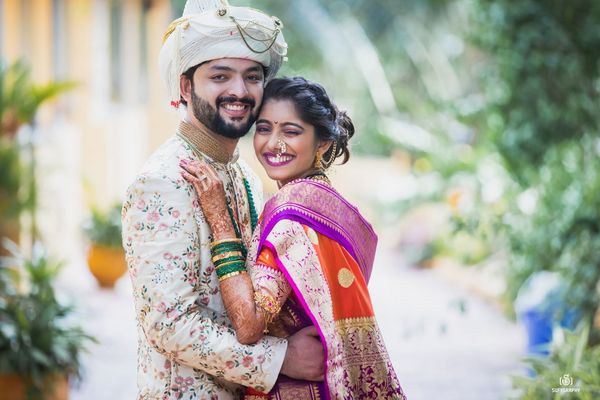
Marathi weddings are a beautiful reflection of Maharashtra’s rich culture, traditions, and simplicity. They’re not just about two people coming together they’re about two families, two hearts, and two worlds uniting with blessings, rituals, and endless joy.
Unlike the grand and lavish North Indian weddings, Marathi weddings are known for their elegance, spirituality, and heartfelt rituals. Every ceremony from the first meeting of the families to the emotional farewell carries a deep meaning rooted in love and culture.
A Simple Yet Beautiful Beginning
Marathi weddings usually start with matching the horoscopes (Kundali Milan) of the bride and groom. Once the stars align favorably, the families set an auspicious wedding date known as the Muhurat, chosen according to traditional astrology.
The ceremonies then begin with a series of rituals that celebrate purity, joy, and togetherness — each one adding its own charm to the wedding journey.
Sakhar Puda – The Engagement Ceremony
The first official step in a Marathi wedding is the Sakhar Puda, where the groom’s family visits the bride’s home carrying gifts and sugar (sakhar).
Sugar symbolizes sweetness and marks the promise of a happy and prosperous married life.
The couple exchanges rings, families bless them, and this marks the beginning of wedding celebrations. It’s a cheerful event filled with laughter, traditional attire, and love.
Kelvan – A Feast of Blessings
A few days before the wedding, both families host a Kelvan — a traditional pre-wedding meal organized to honor family deities and seek blessings.
It’s also a time when close relatives and friends come together to celebrate, share delicious Maharashtrian food, and create memories before the big day.
Halad Chadavane – The Vibrant Haldi Ceremony
The Halad Chadavane (Haldi ceremony) is one of the most joyful and colorful events in a Marathi wedding.
Family members apply a turmeric paste to the bride and groom, symbolizing purification and a natural glow before the big day.
The laughter, playful teasing, and bright yellow hues make this ritual a photographer’s delight and a memory that stays forever.
The Wedding Day – Sacred, Simple, and Soulful
Marathi weddings are traditionally held in the morning hours, considered the most auspicious time of the day. The simplicity of the décor and the deep-rooted rituals create a peaceful, divine atmosphere.
Antarpat and Mangalashtak
Before the ceremony begins, a silk cloth called Antarpat is placed between the bride and groom to prevent them from seeing each other.
As the priest chants the Mangalashtak mantras, the cloth is lowered, marking their first look as a couple a truly magical and emotional moment.
Jaymala (Exchange of Garlands)
The bride and groom exchange floral garlands, symbolizing acceptance and love for each other.
Saptapadi (Seven Sacred Steps)
The couple takes seven steps around the holy fire, each step representing a vow — from friendship and loyalty to prosperity and spiritual growth.
These vows form the foundation of their lifelong relationship.
Kanyadan and Lajahoma
In Kanyadan, the bride’s parents give her hand to the groom, entrusting him with her care and happiness.
The Lajahoma follows, where the bride offers puffed rice into the sacred fire — a prayer for love, prosperity, and harmony.
Post-Wedding Rituals – A New Beginning
Varat
After the wedding, the bride bids an emotional farewell to her family during the Varat ceremony. Accompanied by her husband, she leaves for her new home amid traditional music, blessings, and tears of joy.
Grihapravesh
Upon arrival at her new home, the bride is welcomed by her in-laws with an aarti. She gently tips a vessel filled with rice, symbolizing prosperity and good fortune entering the household.
This marks the beginning of her new life as a married woman.
The Essence of a Marathi Wedding
What makes a Marathi wedding truly special is its purity, simplicity, and heartfelt emotion.
There are no unnecessary extravagances just meaningful rituals, deep family bonds, and authentic cultural expressions.
From the rhythmic beats of the nashik dhol to the fragrance of fresh jasmine flowers and the warmth of traditional Maharashtrian food everything blends beautifully to create a celebration that’s soulful and unforgettable.
Frequently Asked Questions (FAQs)
- Why are Marathi weddings held in the morning?
Morning hours are considered auspicious in Maharashtrian culture, symbolizing purity and positive energy for new beginnings. - How long does a typical Marathi wedding last?
Usually, Marathi weddings span 2 to 3 days, including pre-wedding, main wedding, and post-wedding ceremonies. - What are some common Marathi wedding dishes?
Popular dishes include puran poli, batata bhaji, masale bhat, shrikhand, and modak all rich in authentic Maharashtrian flavor. - What should guests wear to a Marathi wedding?
Women traditionally wear Paithani or Nauvari sarees, while men wear kurta-pyjamas or dhotis paired with a pheta (turban). - What makes Marathi weddings different from other Indian weddings?
Marathi weddings focus more on spiritual connection, simplicity, and family values rather than luxury or show. They beautifully blend devotion with joyful celebration.
Conclusion:
A Marathi wedding is not just a series of rituals it’s an emotional journey filled with blessings, laughter, and deep-rooted traditions. Every moment, from the first ring exchanged to the final aarti, tells a story of love, respect, and cultural pride.
Simple yet graceful, modest yet magical Marathi weddings remind us that true beauty lies in tradition, togetherness, and heartfelt celebration.