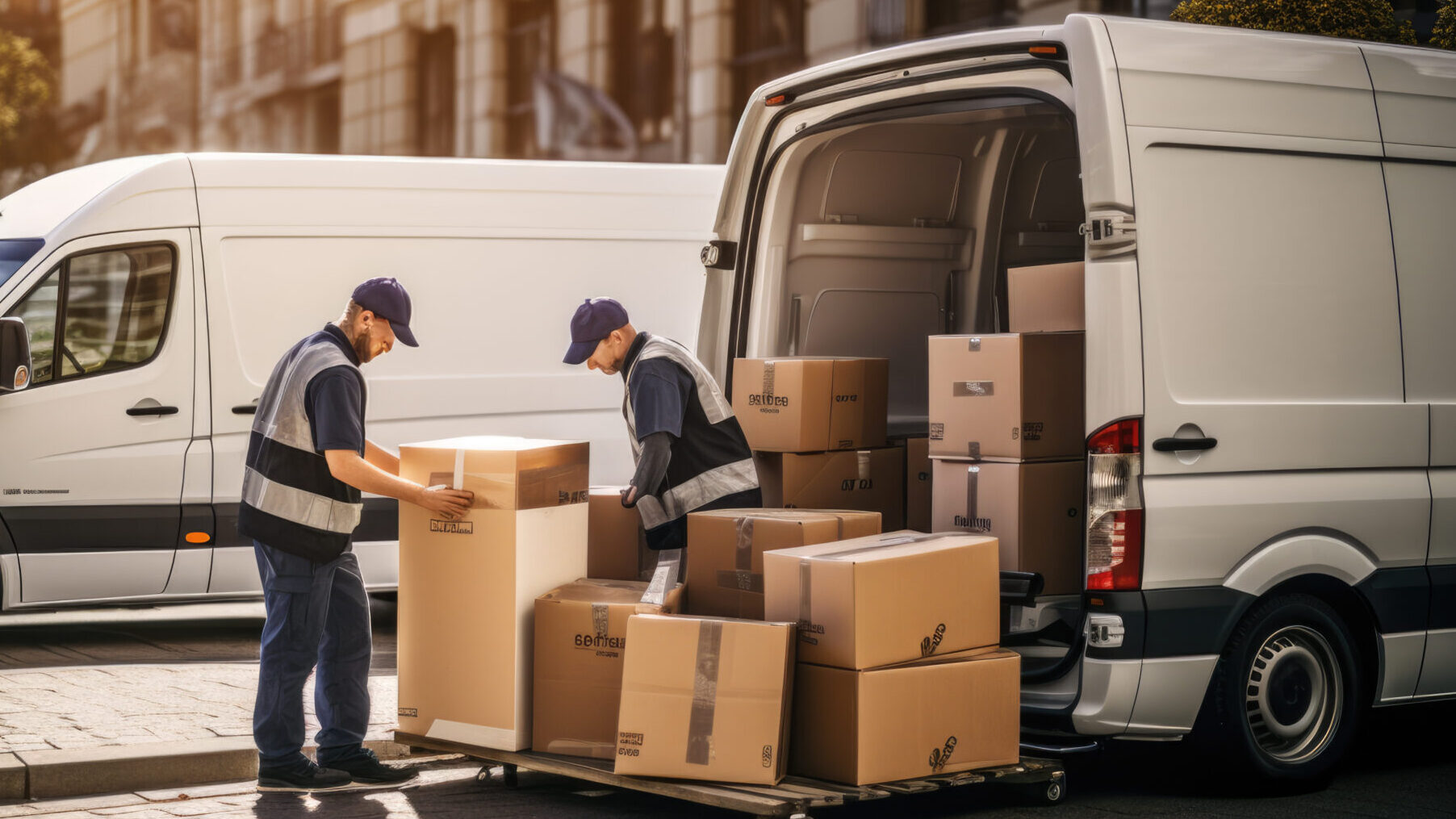
In today’s rapidly evolving logistics landscape, the expectations surrounding next day delivery service have never been higher. E-commerce brands, logistics providers, and consumers are locked in a constant race to achieve faster delivery times. While the concept seems straightforward – pick, pack, and ship within a day, the reality behind consistently achieving next-day delivery is far more complex. Many lesser-known factors can influence delivery speed, and understanding these can be crucial for businesses aiming to refine their logistics operations and meet customer expectations.
The Complexity of Carrier Networks
At the heart of any successful next-day delivery service lies a carrier network. Major carriers often operate with sprawling networks of sorting facilities, hubs, and last-mile delivery partners. The efficiency of this network depends heavily on predictable load volumes and streamlined processing at critical nodes. Even minor disruptions from a short staffing shortage at a regional sorting center to larger issues like inclement weather at a logistics hub can ripple through the entire network and impact delivery timelines.
Industry sources note that carriers increasingly rely on algorithmic load balancing to allocate packages across transportation routes. However, these systems are not foolproof. When unexpected peaks in volume occur such as flash sales or holiday spikes, load balancing can quickly become imbalanced, leading to sorting delays and slower delivery rates.
Warehouse Operations and Inventory Positioning
Warehouse management is another core component that frequently goes unnoticed. Efficient inventory staging, automated picking systems, and optimized pack-out stations all contribute to reducing lead time. Warehouses with poor slotting strategies, outdated technology, or inefficient workflows can create bottlenecks that push packages beyond the next-day cutoff.
Furthermore, where inventory is located can be just as important as how it is handled. Businesses that centralize their stock far from major metropolitan areas inadvertently add transit time. Many logistics consultants advocate for distributed inventory models, whereby stock is placed in multiple regional warehouses closer to key customer segments. Although this approach accelerates delivery, it also increases inventory holding costs and complicates stock management.
Route Planning and Last-Mile Challenges
Once packages leave the warehouse, they enter the domain of route planning systems and last-mile delivery teams. Route optimization algorithms, often powered by predictive analytics are designed to minimize travel time and fuel consumption. Yet unforeseen factors such as traffic congestion, road closures, and driver shortages can significantly alter delivery performance.
Recent industry analysis suggests that while many carriers use real-time traffic data, not all systems account for the stochastic nature of city traffic patterns. For example, a sudden sporting event or road construction can create atypical congestion that derails optimized routes. These types of challenges are particularly acute in densely populated urban centers, where parking constraints and multi-stop delivery routes further complicate timely service.
Regulatory and Geographical Constraints
Logistics providers must also operate within the bounds of local regulations and geographic realities. Restrictions on delivery times (such as no-delivery zones during certain hours), stringent permitting requirements for freight vehicles in city centers, and varying labor laws can all affect how quickly packages move through the system.
Geographical constraints such as mountainous terrain, island deliveries, and remote rural routes present even greater hurdles. In these cases, carriers may need specialized vehicles or additional transit legs, which inherently increase delivery time. Some industry reports highlight that addressing these constraints often requires tailored solutions such as partnering with local carriers or utilizing alternative modes of transport which introduce complexity and cost.
Technology Integration and Data Accuracy
Seamless integration between order management systems, warehouse software, transportation management systems (TMS), and carrier tracking platforms is crucial. Disparate systems or lack of real-time data sharing can create inefficiencies. For example, if the TMS doesn’t receive up-to-date inventory levels, it might schedule delivery for a location with no available stock, triggering delays that cascade through the system.
Moreover, data accuracy plays a vital role. Erroneous address information, incorrect delivery windows, or outdated customer contact details can lead to failed delivery attempts, each adding time and cost to the process.
Consumer Behavior and Unpredictable Demand
Consumer behavior itself introduces variability. Last-minute orders, changes in delivery preferences, and high return rates can all stress logistics planning. Competitor case studies indicate that customer choices like selecting evening delivery slots, often result in a disproportionate number of late deliveries during peak periods.
Conclusion: Balancing Speed with Reliability
To truly excel at next day delivery service, companies must recognize that delivery speed is influenced by a web of interrelated factors from carrier networks and warehouse operations to regulatory environments and consumer behavior. Understanding and mitigating these hidden influences can make the difference between a reliable logistics operation and one that constantly struggles to meet delivery promises. In an industry where margins are thin and expectations are high, identifying these bottlenecks is not just an operational necessity but a competitive advantage.