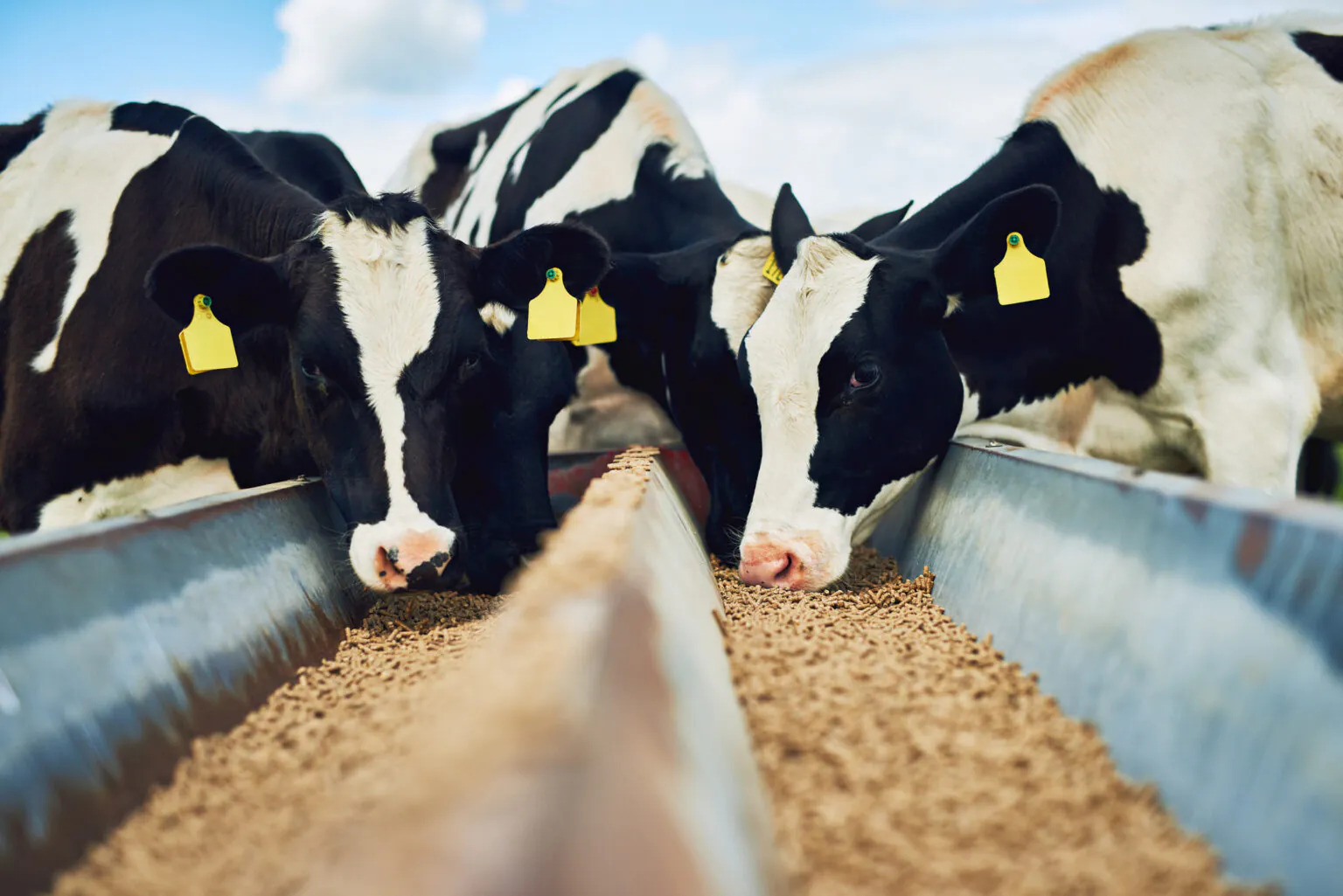
When you see livestock thriving on farms or pets enjoying their meals, you might wonder about the journey their food takes before reaching them. Animal feed manufacturing is a sophisticated industrial process that combines science, technology, and quality control to produce nutritious food for billions of animals worldwide. From cattle and poultry to household pets, the animal feed industry plays a crucial role in supporting both agriculture and the pet care sector. Understanding how this essential product is manufactured on an industrial scale reveals the complexity and precision involved in feeding the world’s animals.
The Raw Materials: Where It All Begins
Industrial animal feed production starts with sourcing high-quality raw materials. These ingredients typically include grains like corn, wheat, and barley, protein sources such as soybean meal and fish meal, vitamins, minerals, and various supplements. Manufacturers maintain relationships with agricultural suppliers worldwide to ensure a consistent supply of ingredients. Quality control begins at this stage, with each batch of raw materials tested for nutritional content, moisture levels, and potential contaminants before acceptance into the facility.
Large-scale feed mills often store different ingredients in massive silos, some holding hundreds of tons of material. This storage capacity allows manufacturers to buy ingredients in bulk when prices are favorable and maintain production continuity throughout the year, regardless of harvest seasons.
Formulation: The Science Behind the Mix
Before any physical manufacturing begins, nutritionists and feed specialists develop precise formulas tailored to different animal species, ages, and purposes. A dairy cow requires different nutrients than a laying hen, and growing piglets need different nutrition than mature hogs. These formulations are developed using sophisticated software that calculates the optimal blend of ingredients to meet specific nutritional targets while managing costs.
The formulation process considers protein content, energy levels, essential amino acids, vitamins, minerals, and fiber requirements. Modern feed manufacturers constantly refine their recipes based on the latest research in animal nutrition and performance data from farms and facilities using their products.
The Manufacturing Process: From Ingredients to Feed
Receiving and Grinding
Once raw materials arrive at the feed mill, they undergo initial processing. Whole grains and other ingredients are transported via conveyor systems to grinding equipment. Hammer mills or roller mills reduce particle size to improve digestibility and ensure uniform mixing. The degree of grinding varies depending on the target animal species—some animals digest coarser materials better, while others require finely ground feed.
Mixing and Batching
The heart of feed manufacturing is the mixing process. Computer-controlled systems weigh precise amounts of each ingredient according to the formula. These ingredients are then transferred to large industrial mixers, which can handle several tons per batch. Mixing typically takes ten to fifteen minutes to ensure complete uniformity, so every animal receives consistent nutrition in every bite.
During mixing, liquid ingredients like molasses or oils may be added, along with micro-ingredients such as vitamins, minerals, and medications. These micro-ingredients, though small in quantity, are critical for animal health and performance.
Pelleting: Transforming Loose Meal into Durable Pellets
Most commercial animal feed is pelleted rather than sold as loose meal. The pelleting process involves forcing the mixed feed through a die under high pressure and temperature. This process offers several advantages: it improves feed handling, reduces dust, decreases ingredient separation during transport, enhances digestibility, and can eliminate harmful bacteria through heat treatment.
As the feed emerges from the pellet die, it’s cut to the desired length by rotating knives. Hot pellets then move to cooling systems where ambient or chilled air reduces their temperature and moisture content, preventing mold growth and ensuring stability during storage.
Quality Control and Safety
Throughout the manufacturing process, quality control is paramount. Modern feed mills employ multiple testing protocols, including near-infrared spectroscopy to verify nutritional composition, pathogen testing to ensure safety, and physical quality checks for pellet durability and moisture content. Many facilities maintain in-house laboratories where samples from each production batch are analyzed before the product leaves the facility.
Feed safety regulations require manufacturers to follow strict protocols to prevent contamination and ensure traceability. Each batch is documented with detailed records of ingredients, production parameters, and test results, allowing complete tracking from raw materials to finished product.
Packaging and Distribution
After cooling and passing quality checks, finished feed moves to packaging or bulk loading areas. Some feed is bagged in various sizes for retail sale, while large quantities are loaded directly into trucks for delivery to farms and agricultural operations. A dog food distributor, for example, might receive palletized bags for warehousing and distribution to pet stores, while commercial farms often receive bulk deliveries that are blown directly into on-site storage bins.
The distribution network for animal feed is extensive and well-coordinated. Manufacturers work with various distributors and logistics partners to ensure timely delivery. Whether it’s a dog food distributor serving the pet retail market or a direct delivery to a commercial cattle operation, maintaining feed freshness and quality during transport is essential.
Innovation and Sustainability
Modern feed manufacturing increasingly incorporates sustainable practices and innovative ingredients. Mills are adopting energy-efficient equipment, utilizing by-products from food processing industries, and exploring alternative protein sources like insect meal or algae. Precision nutrition approaches aim to reduce waste and environmental impact while maintaining or improving animal performance.
Conclusion
Industrial animal feed manufacturing is a complex, carefully controlled process that blends agricultural science with modern technology. From raw material selection through formulation, mixing, pelleting, and quality control, every step is designed to produce safe, nutritious, and consistent feed products. This industry supports global food production and pet care, making it an essential component of modern agriculture and animal husbandry. The next time you see animals being fed, you’ll appreciate the sophisticated industrial process that made their nutrition possible.