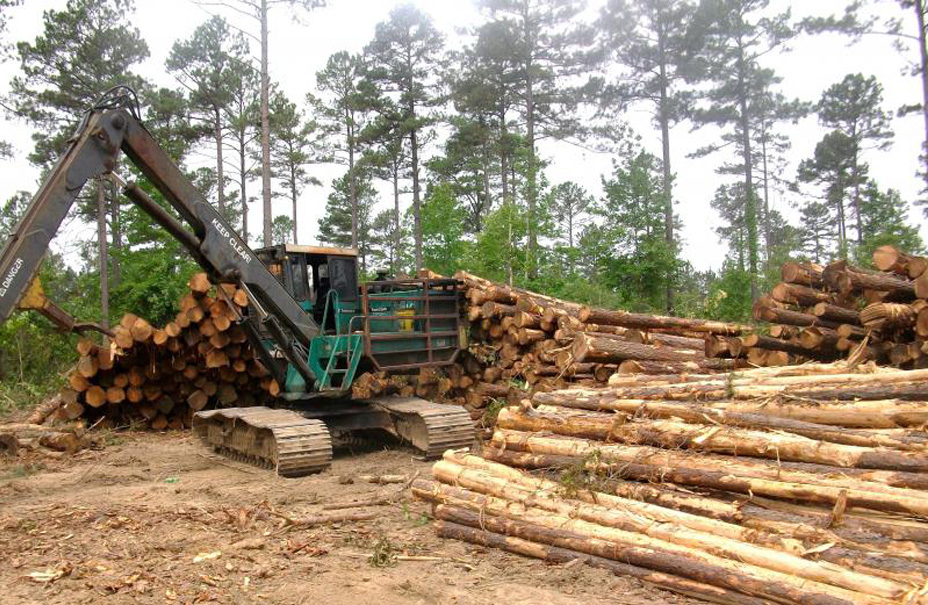
Forests cover nearly 31% of the Earth’s land and are vital for biodiversity, climate regulation, and human livelihoods. Sustainable forest management focuses on using and caring for forests in ways that maintain their ecological, economic, and social functions for present and future generations.
Understanding Sustainable Forest Management
Sustainable forest management (SFM) is an approach that balances human needs with ecological preservation. It integrates scientific, economic, and social considerations to maintain forest health, productivity, and biodiversity. Unlike traditional logging, which may prioritize short-term gain, SFM ensures forests continue to provide resources and ecosystem services over the long term.
Key Principles and Techniques
Effective sustainable forest management relies on several core principles:
- Selective Harvesting – Removing only certain trees to maintain forest structure and promote regeneration.
- Reforestation and Afforestation – Planting new trees to replace harvested ones and expand forest cover.
- Biodiversity Conservation – Protecting habitats to support wildlife and maintain ecosystem balance.
- Soil and Water Protection – Preventing erosion and safeguarding water quality during forestry activities.
- Monitoring and Assessment – Using data to track forest health, growth rates, and the impact of management practices.
Benefits of Sustainable Forest Management
Environmental Benefits
- Maintains biodiversity and wildlife habitats
- Preserves soil fertility and prevents erosion
- Sequesters carbon, helping mitigate climate change
- Protects water resources and maintains ecosystem balance
Economic Benefits
- Provides a sustainable source of timber and non-timber forest products
- Supports local communities and forest-based livelihoods
- Reduces long-term economic risks associated with forest degradation
Social Benefits
- Enhances recreational opportunities
- Promotes environmental education
- Strengthens community engagement in conservation efforts
Challenges and Solutions
Sustainable forest management faces several challenges:
- Deforestation and illegal logging: Mitigated through policy, monitoring, and certification systems.
- Climate change impacts: Adaptation strategies such as resilient tree species and controlled harvesting schedules.
- Invasive species: Early detection, monitoring, and ecological management.
By addressing these challenges, forests can remain productive and resilient while supporting biodiversity and human needs.
Global Impact and Future Outlook
Sustainable forest management is essential for achieving global environmental goals, including climate change mitigation, biodiversity conservation, and sustainable development. As forests face growing pressures from urbanization, climate change, and industrial demand, adopting SFM practices worldwide will be crucial to preserving these vital ecosystems.
Conclusion
Sustainable forest management ensures that forests remain productive, resilient, and ecologically balanced. Through careful planning, selective harvesting, reforestation, and biodiversity protection, SFM benefits the environment, economy, and communities alike. Responsible forest stewardship today guarantees that forests can continue to provide essential resources and services for generations to come.