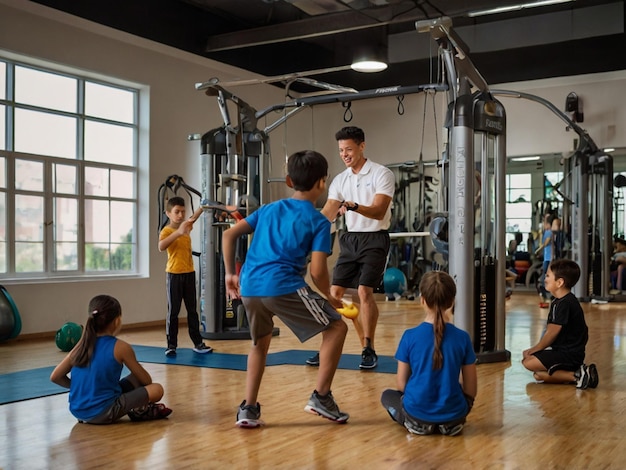
Physical activity is essential for the healthy development of both children and teens. In today’s digital era, where screen time often dominates leisure hours, after-school fitness programs provide structured and engaging ways for young people to stay active. These programs not only improve physical health but also support emotional, social, and cognitive development.
Schools adopting a community partnership school approach can further enhance these benefits. By collaborating with families, local organizations, and wellness experts, schools create a supportive environment where fitness becomes an integral part of a child’s daily routine. In this article, we will explore how after-school fitness programs benefit both children and teens and why they are a vital component of holistic development.
Physical Health Benefits
Building Strength and Endurance
After-school fitness programs include activities such as strength exercises, cardio routines, and flexibility training that help children and teens develop stamina, muscular strength, and overall fitness. Regular participation reduces the risk of sedentary-related health issues and supports healthy growth.
Enhancing Coordination and Motor Skills
Through activities like team sports, dance, obstacle courses, and skill drills, young participants improve their hand-eye coordination, balance, and fine motor skills. These physical improvements contribute not only to athletic abilities but also to everyday tasks and academic performance.
Promoting Lifelong Healthy Habits
Fitness programs teach children and teens the importance of regular exercise and self-care. When paired with educational components in a community partnership school model, these programs foster habits that encourage proper nutrition, hydration, and consistent physical activity that last into adulthood.
Mental and Emotional Wellness
Reducing Stress and Anxiety
Regular exercise through after-school fitness programs triggers the release of endorphins, which reduce stress and improve mood. Both children and teens benefit from having structured outlets for emotional expression, helping them manage anxiety and everyday pressures effectively.
Boosting Confidence and Self-Esteem
Achieving fitness goals, mastering new skills, and participating in group challenges fosters self-confidence and self-efficacy. Teens, in particular, benefit from a sense of accomplishment that translates into better social interactions and academic motivation.
Enhancing Focus and Cognitive Skills
Physical activity has been shown to improve attention, memory, and problem-solving skills. When combined with academic support in a community partnership school, fitness programs contribute to a holistic approach where physical health and cognitive development reinforce each other.
Social and Interpersonal Development
Encouraging Teamwork and Collaboration
Group-based activities in after-school fitness programs teach children and teens how to communicate, cooperate, and support peers. Team sports, cooperative challenges, and group workouts foster collaboration and essential interpersonal skills.
Developing Leadership and Responsibility
Fitness programs often provide leadership opportunities, such as guiding warm-ups or organizing small group activities. These experiences cultivate responsibility, initiative, and decision-making abilities, preparing young people for future roles in school and community settings.
Promoting Inclusion and Respect
Engaging in activities with peers of diverse backgrounds and abilities encourages empathy and respect. By participating in inclusive fitness programs within a community partnership school, children and teens develop a sense of belonging and a supportive social network.
Long-Term Lifestyle and Academic Benefits
Preventing Chronic Illness and Obesity
Regular participation in after-school fitness programs helps prevent childhood and adolescent obesity while reducing the risk of chronic conditions like diabetes and heart disease. Early adoption of active habits ensures a healthier adulthood.
Instilling Lifelong Fitness Habits
By making exercise fun and engaging, after-school fitness programs encourage children and teens to value and continue physical activity throughout life. These habits support long-term physical, mental, and emotional health.
Supporting Academic Performance
Physical activity improves concentration, memory, and energy levels. When combined with academic programs in a community partnership school, fitness initiatives contribute to holistic student development, fostering both scholastic and personal growth.
Frequently Asked Questions
What are after-school fitness programs?
They are structured physical activity programs designed to improve children’s and teens’ health, fitness, and overall well-being.
How do community partnership schools enhance these programs?
They bring together educators, families, and local organizations to provide additional support and resources for students.
Can fitness programs improve mental health?
Yes, physical activity reduces stress, boosts mood, and promotes emotional resilience.
Are these programs suitable for all skill levels?
Yes, activities are tailored to accommodate varying abilities and encourage participation from everyone.
How often should children and teens participate in after-school fitness programs?
Regular participation, ideally several times a week, maximizes physical, mental, and social benefits.
Conclusion
After-school fitness programs are essential for promoting health, well-being, and confidence in both children and teens. By enhancing physical fitness, emotional resilience, and social skills, these programs create well-rounded young individuals prepared for academic and personal success. When integrated into a community partnership school, they provide an enriched environment that supports holistic growth. Initiatives like the Youth Wellness Initiative play a vital role in delivering these programs, equipping students with the skills, habits, and confidence needed to thrive in all aspects of life.