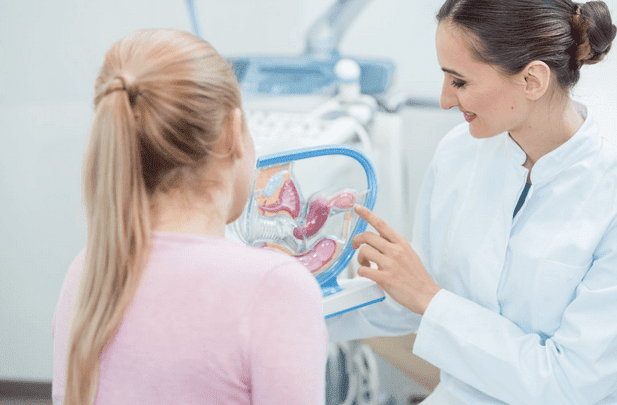
Most women these days are orienting themselves towards more natural and informed ways of understanding their reproductive health. Among the most trusted tools to date is the ovulation predictor kit, a simple at-home test to help you identify the most fertile days of the cycle. With conversations around fertility, planned pregnancy, and cycle tracking becoming ever more open and supported, these kits have become major parts of women’s health routines. This guide explains how they work, why they matter, and what to know when deciding if this method suits personal fertility goals.
How an Ovulation Predictor Kit Helps Track Fertile Days
The value of an ovulation predictor kit is better understood when put in context by the hormones that play their role within the menstrual cycle. Every month, a surge of luteinizing hormone indicates that the ovary is about to release an egg. This generally occurs one to two days prior to ovulation, at the peak time of fertility. The kit detects this natural rise, allowing users to predict when ovulation is most expected. Knowledge of that time provides greater clarity for those seeking conception or simply a deeper understanding of their body’s natural rhythm.
The Growing Interest in Home Fertility Testing
The demand for home-based reproductive health tools has grown considerably over the past years. Women feel this is something easily accessible and private to monitor vital changes in the cycle. An ovulation predictor kit aligns with the shift because it offers simplicity sans blood tests, visits to clinics, or other cumbersome tools. Instead, this process includes something akin to a basic home test, thus becoming approachable even for first-time users. Many find comfort in the consistency it provides, especially when combined with other healthy lifestyle habits.
How to Use an Ovulation Predictor Kit Effectively
Although each brand writes its own set of directions, the fundamentals of most tests are essentially the same: a user takes a small sample of urine and exposes the test strip or test wand to it. Within a short amount of time, the test reveals whether the body is having a luteinizing hormone surge. The trick to using them well is in knowing when to begin testing. For most women, testing starts a few days before the expected window of ovulation. Once used for a few cycles, users often see trends emerge that allow them to better predict fertile days.
Some women prefer testing at the same time of the day for reliability’s sake. Common advice would be to test in the morning, but this may vary with specific instructions. What’s more important, however, is consistency, patience, and observation of how the results correlate with other natural signs of the cycle.
Why the Ovulation Predictor Kit Supports Better Planning
Planning a pregnancy can be both exciting and uncertain. The ovulation predictor kit removes some of the uncertainty by painting a clear picture of the window of fertility. With this insight, a couple is able to know exactly when to plan intimate moments on days that conception can most likely occur. The kit also encourages better awareness of the menstrual cycle, which may prove to be liberating even for women who are not trying to conceive a child at all. Many find that understanding their patterns of hormonal changes alone reduces stress and allows them to feel far more connected with their general health.
Common Misunderstandings about Fertility and Timing
The common myth is that ovulation always falls on the same day in every woman’s cycle. Actually, cycles are different, and they are affected by stress, sleep, food, and natural hormonal fluctuations. For this reason, predicted cycle calendars are usually not enough. That is where the ovulation predictor kit becomes so helpful: it identifies the hormonal change in real time, not based on the estimation of average cycle lengths.
Another common misconception is that a positive surge indicates ovulation has already taken place. That’s not the case; the surge indeed indicates ovulation is close, but it hasn’t occurred yet. Knowing the difference can make all the difference in planning and understanding one’s results with confidence.
How the Ovulation Predictor Kit Supports Emotional Well-being
Trying to conceive sometimes carries with it some emotional load, especially at times when one is not sure about the timing. The ovulation predictor kit gives clarity in a manner that may alleviate anxiety. You wouldn’t have to guess or second-guess, but you would have some form of measurable indication to direct you. Many times, this sense of control can make the fertility journey indeed calmer and filled with hope. The reassurance and sense of empowerment will increase even when conception is not necessarily on the mind.
When an Ovulation Predictor Kit Isn’t Enough
While the ovulation predictor kit is a very helpful tool, it is by no means a replacement for medical care in cases of irregular cycles, associated medical concerns, or when a woman has been having difficulty conceiving over a very long period of time. In such cases, it is only a supporting initial step and not the solution. Most women would wish to combine this kit with professional investigations or advice regarding cycle issues for comprehensive information on their reproductive health status.
A Professional Perspective:
Dr. Alan Lindemann’s Approach Women often like to seek expert guidance from professionals who understand not only medical science but also human experience. Dr. Alan Lindemann is known for his work in maternal health and patient education and stresses the importance of accessible fertility tools. His professional ethos emphasizes clear communication, compassionate support, and practical decision-making. Dr. Alan insists on how important it is to understand the hormonal pattern and encourages women to use tools such as the ovulation predictor kit as part of informed reproductive planning. His work mirrors a strong belief that women benefit most when they get reliable information delivered with expertise and care. His insights help users to look upon fertility tracking not just as some sort of technical task but as an empowering part of their health journey.
Conclusion
The ovulation predictor kit has become one of the most trusted tools for women who want to better understand their cycle and identify their fertile days. The simplicity, accessibility, and scientific foundation of the kit make it a very good option for those hoping to conceive or simply seeking a clearer picture of their hormonal patterns. Offering insight into the rise of luteinizing hormone, this kit works as a natural and practical tool to follow the body’s rhythm. Whether used alone or in conjunction with professional guidance, it enables an individual to make more informed choices with greater confidence and heightened connection to their reproductive health.
FAQs
1) What does a positive ovulation predictor kit result mean?
A positive result is indicative of an increase in luteinizing hormone, which generally occurs one to two days before ovulation. This helps in the identification of the most fertile window for conception planning.
2) Do women having irregular cycles make use of an ovulation predictor kit?
Yes, but it may require more days of testing each cycle. The kit can still help detect hormone surges even when cycle timing varies.