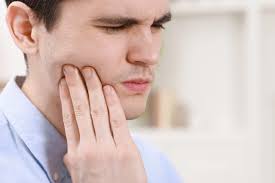
Experiencing ear pain from wisdom teeth removal is a surprisingly common concern following dental surgery. While it may seem unusual, the jaw, teeth, and ear share interconnected nerves and muscles, which can cause discomfort in the ear area even though the procedure occurs in the mouth. Many patients report a dull ache, pressure, or even sharp pain radiating toward the ear, particularly in the first few days after surgery. Understanding why this happens can help patients manage their recovery more effectively and reduce unnecessary worry.
Wisdom tooth extraction is a surgical procedure that involves manipulating the surrounding tissue, bone, and nerves. The body’s natural healing response—swelling, inflammation, and muscle tension—can extend pain signals beyond the extraction site. This is why pain felt in the ear is often linked to dental recovery rather than an actual ear infection or problem. Knowing how and why this occurs can make the post-operative experience far more comfortable.
Resources like Dental Advice Today emphasize that this type of discomfort is generally normal, especially when the extraction is complex or involves impacted teeth. By understanding the underlying causes, patients can differentiate between expected post-surgical pain and warning signs that may require professional attention. Throughout this guide, we will explore the causes of ear pain after wisdom tooth surgery, strategies to manage it, and indications for seeking care.
Why Wisdom Tooth Surgery Can Cause Ear Pain
Ear pain after dental surgery may seem unrelated, but the jaw and ear are connected in several key ways. The pain often arises from nerve pathways, muscle tension, or swelling caused by the extraction.
Shared Nerve Pathways
The trigeminal nerve is responsible for sensation in the lower jaw, teeth, gums, and parts of the ear. When the nerves near the extraction site are irritated, they may send signals that the brain interprets as ear pain. This is a phenomenon known as referred pain, which is why the discomfort often seems to originate in the ear rather than the jaw.
Jaw Muscle Strain and TMJ Tension
Holding the mouth open during surgery can strain the jaw muscles and temporomandibular joint (TMJ). This joint is located near the ear, so inflammation or tension can cause a sensation of fullness, pressure, or aching in the ear area. Even patients without prior TMJ issues may notice mild discomfort in this region after surgery.
Inflammation and Swelling
Post-operative swelling is a normal part of the healing process. Swollen tissues around the jaw can put pressure on nearby nerves, further contributing to ear pain. Swelling typically peaks within 48–72 hours and gradually decreases over the following days.
Common Causes of Ear Pain After Wisdom Tooth Surgery
Several factors can contribute to ear discomfort after dental surgery. Understanding these causes can help patients manage expectations and take appropriate care.
1. Normal Healing and Inflammation
Most ear pain following extraction is part of the standard healing process. Inflammation around the surgical site stimulates nerves and muscles, which can radiate sensations to the ear. This type of pain usually lessens within a week as the swelling resolves.
2. Referred Pain from the Jaw
Because the jaw and ear share nerve pathways, irritation in the extraction site can create pain perceived in the ear. This referred pain is common and typically dull or throbbing in nature.
3. Muscle Strain from Procedure
Extended periods of holding the mouth open during surgery place stress on the jaw muscles. This can result in stiffness, tightness, or soreness that extends toward the ear. Gentle stretching and proper rest usually alleviate these symptoms over time.
4. Dry Socket (Alveolar Osteitis)
Dry socket occurs when the protective blood clot at the extraction site dislodges or dissolves prematurely. This exposes underlying bone and nerves, often leading to severe pain that can radiate to the ear. Signs include:
-
Sharp or throbbing pain days after surgery
-
Foul taste or odor in the mouth
-
Visible empty socket in the extraction site
Prompt treatment is necessary to relieve pain and prevent infection.
5. Infection
Post-surgical infections can also cause ear pain. Bacterial invasion in the extraction site can lead to inflammation and referred discomfort. Symptoms of infection include:
-
Swelling that worsens over time
-
Fever or chills
-
Pus or foul discharge
-
Persistent or intensifying pain
Medical evaluation is required if these symptoms appear.
6. Sinus Involvement
Upper wisdom teeth are located near the sinus cavities. Surgical trauma or inflammation may occasionally irritate the sinus lining, resulting in ear pressure, nasal congestion, or a feeling of fullness in the ears. While uncommon, this is an important consideration for upper tooth extractions.
How Long Ear Pain Lasts After Wisdom Tooth Surgery
Recovery timelines vary depending on the complexity of the extraction and individual healing factors.
Typical Timeline
-
Days 1–3: Pain peaks along with swelling
-
Days 4–7: Ear discomfort begins to fade
-
1–2 Weeks: Most swelling subsides, ear pain resolves
-
2–3 Weeks: Jaw tension may linger in rare cases
Persistent or worsening pain beyond this period should be evaluated by a dentist or oral surgeon.
Factors Influencing Recovery
-
Impacted or multiple tooth extractions
-
Pre-existing TMJ issues or jaw tension
-
Smoking or poor post-operative care
-
Infection or dry socket development
Understanding these factors helps manage expectations and allows for better preparation during recovery.
Managing Ear Pain After Wisdom Tooth Surgery
Most post-operative ear discomfort can be effectively managed with home care strategies.
1. Cold and Warm Compresses
-
Cold compress: Apply for the first 48 hours to reduce swelling
-
Warm compress: Use after swelling begins to decrease to relax jaw muscles
Alternate compresses for 15–20 minutes to minimize pain and tension.
2. Over-the-Counter Pain Medication
Nonsteroidal anti-inflammatory drugs (NSAIDs) like ibuprofen help control pain and reduce inflammation. Follow dosage recommendations provided by your dentist or oral surgeon.
3. Gentle Jaw Exercises
Soft jaw stretches can relieve tension around the TMJ. Slowly open and close your mouth, move your jaw side-to-side, and perform small circular movements. Avoid forcing any movement that causes pain.
4. Soft Diet and Hydration
Eating soft foods reduces strain on jaw muscles. Recommended options include:
-
Yogurt
-
Mashed potatoes
-
Smoothies
-
Soups
-
Applesauce
Drinking plenty of water supports healing and reduces swelling.
5. Proper Oral Hygiene
Maintaining cleanliness prevents infection and helps reduce pain. Use warm saltwater rinses 24 hours after surgery and follow your dentist’s instructions for brushing and care around the extraction site.
6. Rest and Avoid Overexertion
Physical activity can increase inflammation and pain. Adequate rest during the first few days post-surgery helps minimize discomfort and supports healing.
When to Contact a Dentist
While most ear pain is normal, some symptoms warrant immediate evaluation:
-
Pain worsening after the third day
-
Severe jaw stiffness or difficulty opening the mouth
-
Fever or signs of infection
-
Pus or foul taste/odor from the extraction site
-
Persistent or radiating ear pain
Early intervention prevents complications such as dry socket or infection from becoming more serious.
Preventing Ear Pain in Future Procedures
Although some discomfort is inevitable, there are steps patients can take to reduce ear pain in future dental treatments.
Choose an Experienced Oral Surgeon
A skilled dentist can minimize trauma to surrounding tissues, reducing inflammation and nerve irritation during surgery.
Discuss Sedation or Short Procedure Options
Sedation or brief breaks during surgery can help reduce jaw strain, lowering the risk of post-operative ear pain.
Apply Cold Immediately After Surgery
Ice packs applied early help control swelling and reduce pressure on nerves near the jaw and ear.
Maintain Jaw Health
Exercises, stress reduction, and avoiding teeth grinding help keep the TMJ healthy and prevent ear discomfort after future dental procedures.
Conclusion
Ear pain after wisdom tooth surgery is a common and usually harmless side effect of the body’s healing process. The close relationship between the jaw, nerves, and ear explains why discomfort often radiates beyond the extraction site. Most pain is temporary, improving as swelling decreases and tissues heal.
By understanding the causes of ear pain, following home care strategies, and knowing when to seek professional help, patients can experience a smoother recovery. Persistent or worsening pain should always be evaluated by a dentist or oral surgeon to ensure proper healing and prevent complications.
With awareness and proper care, most individuals can expect ear discomfort to resolve within a week, allowing them to enjoy a full, healthy recovery from wisdom tooth surgery.