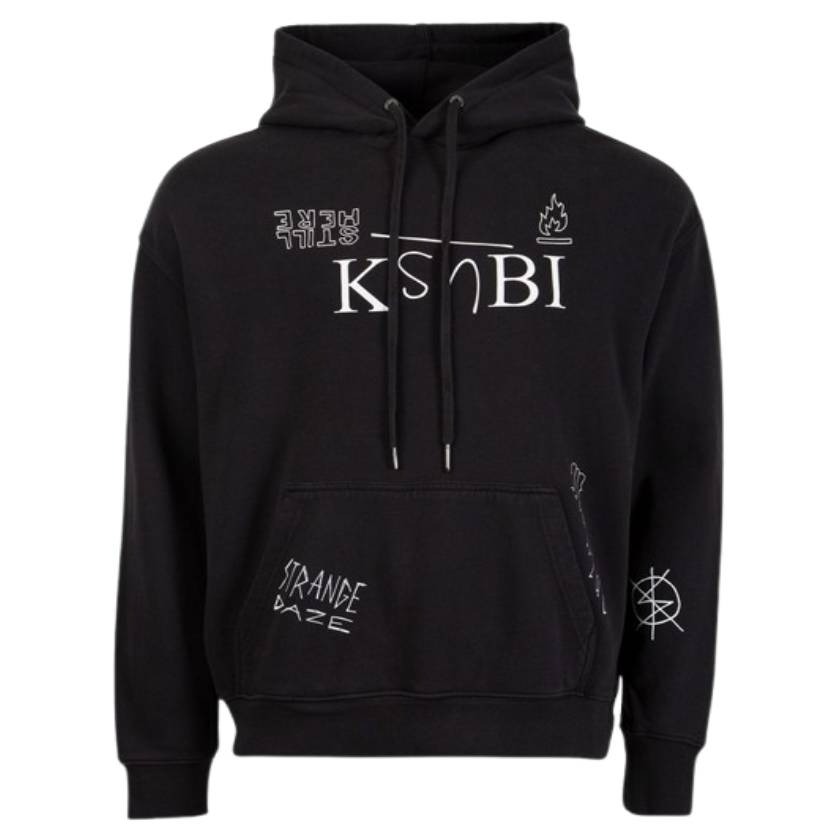
Introduction: The Rise of Ksubi in Modern Fashion
Ksubi is not just a fashion label; it is a statement, an attitude, and a cultural movement that has reshaped the landscape of luxury streetwear. Over the last two decades, the brand has transitioned from underground Australian denim disruptors to a global powerhouse worn by A-list celebrities, fashion trendsetters, and everyday individuals who crave a blend of rebellion and premium craftsmanship. But what makes Ksubi so magnetic? Why does it stand out in an industry saturated with brands claiming authenticity, creativity, and exclusivity?
To understand Ksubi’s domination, you must first explore how it effortlessly merges raw street culture with luxury-level attention to detail. In a world where fashion consumers want garments that speak their personality—whether loud, understated, edgy, or experimental—Ksubi Clothing has mastered the art of creating timeless streetwear that still feels rebellious. The brand doesn’t chase trends; it amplifies individuality. That’s why its influence extends far beyond clothing racks and into music, art, youth culture, and celebrity fashion.
Ksubi’s power lies in its ability to remain unapologetically bold while delivering exceptionally high-quality pieces. From its iconic jeans to its graphic tees and limited-edition capsule drops, every design carries a signature look that makes you instantly say, “That’s Ksubi.” It’s not manufactured cool—it’s authentic. It’s the kind of fashion that feels lived-in, like it already has a story to tell.
Throughout this article, we’ll dive deep into why Ksubi continues to dominate modern streetwear, how it gained international cult status, and why it remains one of the most respected names in the luxury streetwear space today.
The Origins of Ksubi: A Rebel Brand Built on Attitude
Ksubi didn’t emerge from polished runways or luxury design studios—it was born on the edges of Australian surf and skate culture, where self-expression mattered more than following trends. Founded in 1999 by three friends—Gareth Moody, Dan Single, and George Gorrow—the brand originally operated under the name “Tsubi.” What set them apart from day one was their refusal to conform to the mainstream fashion industry’s strict rules. They weren’t trying to “build a perfect brand.” Instead, they were trying to create clothing that felt raw, unfiltered, and real.
The founders became frustrated with the lack of denim that fit their style—so they decided to make their own. That simple decision sparked a rebellious movement that would eventually evolve into one of the most influential luxury streetwear labels. They didn’t have big investors or fancy marketing budgets; they relied on creativity, a strong sense of identity, and the desire to disrupt the norms of fashion. Their first collections weren’t meticulously planned—they were spontaneous, experimental, and intentionally imperfect. That authenticity instantly resonated with young people who wanted something different.
Ksubi’s rise to global recognition didn’t happen overnight. In the early 2000s, the brand gained attention through controversial fashion shows and guerrilla-style marketing. They released live rats on the runway during one of their earliest shows, a move that shocked the fashion world but also reinforced their rebellious spirit. They didn’t want to be predictable—they wanted to disrupt, provoke, and make people rethink what clothing could represent. This fearless attitude became the foundation of the brand’s global identity.
Even as Ksubi expanded, the founders never lost sight of their original mission: to create clothes that reflect raw honesty and cultural authenticity. That rebellious DNA is still woven into every stitch, every distressed hem, and every bold graphic. Today, when you wear Ksubi Hoodie, you’re not just wearing denim—you’re wearing a piece of a movement that started on the outskirts and rose to the top by refusing to blend in.
Ksubi’s Design Philosophy: Imperfect, Raw, and Real
If one thing defines Ksubi, it’s their unapologetic embrace of imperfection. Unlike many luxury brands that strive for flawlessness, Ksubi celebrates the beauty in raw, unfinished details. Their design philosophy centers around the belief that clothes should feel lived-in, authentic, and full of character. This is why Ksubi pieces often feature intentional distressing, frayed hems, faded washes, paint splatters, and rough edges. These aren’t manufacturing mistakes—they’re deliberate statements.
Ksubi’s designers understand that modern fashion consumers crave individuality. Anyone can buy a plain T-shirt, but a Ksubi tee feels like it has a story behind it. Their clothing doesn’t look mass-produced; it looks personal. That raw, imperfect aesthetic has become a signature look that instantly sets them apart in the luxury streetwear market.
The brand’s philosophy extends beyond just physical design. It’s about attitude—embracing your flaws, your imperfections, and your authenticity. Ksubi clothing is meant to feel comfortable, familiar, and expressive, like your favorite pair of jeans that fits just right and holds memories of every moment you lived in them. Their designers manage to make new clothes feel vintage and modern at the same time, creating a timeless appeal that connects deeply with their audience.
Another key aspect of Ksubi’s design philosophy is minimal branding. While many streetwear labels rely heavily on logos, Ksubi takes a more subtle approach. Their iconic “+×+” mark is understated but powerful. It’s recognizable but not loud, which makes the clothing more versatile. You can dress Ksubi up, dress it down, wear it casually, or make it the centerpiece of a bold outfit. The brilliance lies in its quiet confidence.
In a world full of fast fashion, Ksubi stands out by refusing to compromise craftsmanship for trend-chasing. They create clothes that feel real—clothes you can move in, live in, and express your identity through. Read More…..